 You’ve been prepping your whole life: you just didn’t know it.
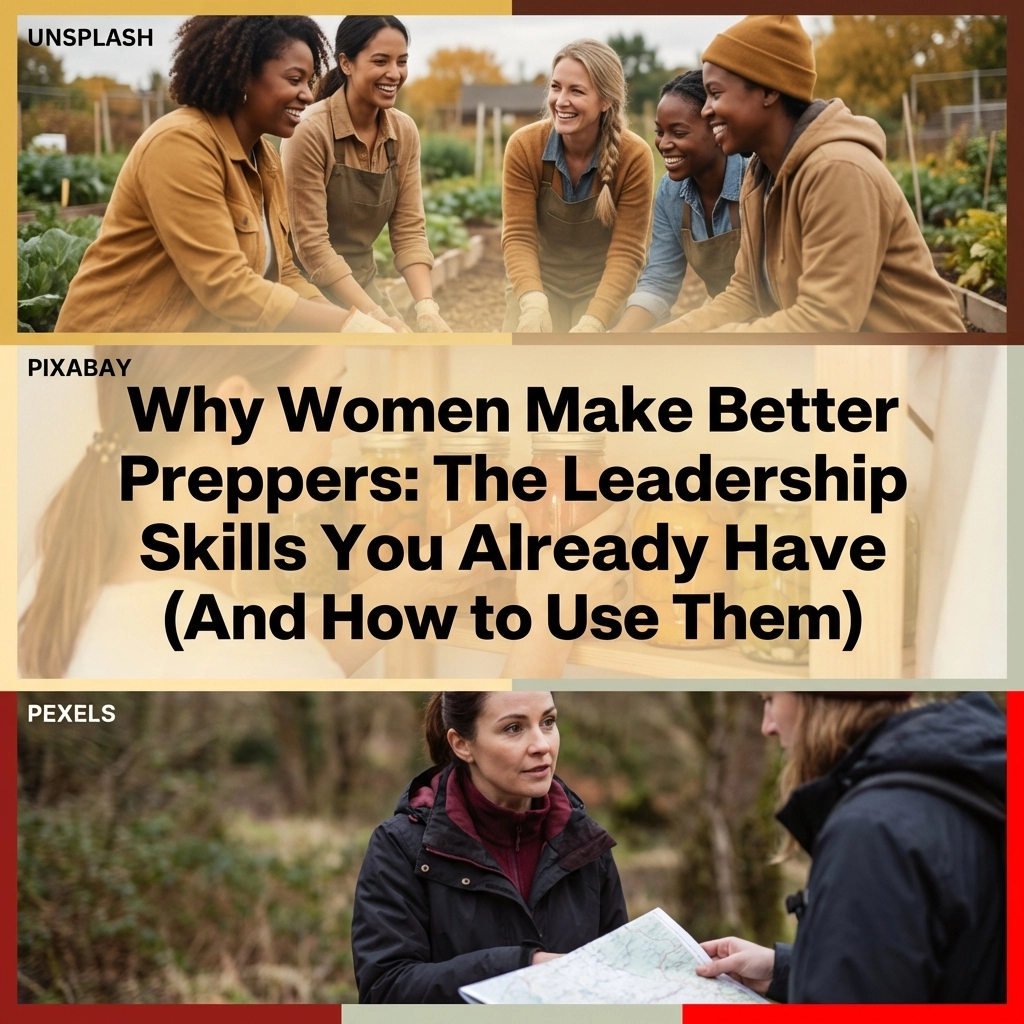
Every time you’ve managed a household crisis with a sick child and empty fridge, coordinated family schedules while juggling work deadlines, or kept everyone calm during a power outage, you’ve been practicing emergency preparedness. The skills that make you an effective leader in daily life are exactly what make women naturally gifted preppers.
Let’s reframe your experience and recognize the preparedness powerhouse you already are.
The Leadership Skills You Use Every Day
Think about yesterday. How many decisions did you make? How many problems did you solve? How many people did you coordinate, comfort, or guide through challenges? Research shows that women excel in resilience, problem-solving, adaptation to change, and collaborative leadership: all core preparedness skills.
You’re already a crisis manager. When your child gets sick at 2 AM, you don’t panic. You assess the situation, gather resources (thermometer, medications, comfort items), make decisions about next steps, and manage the emotional needs of everyone involved. That’s textbook emergency response.
You’re a natural resource coordinator. Managing a household budget, meal planning, and ensuring everyone has what they need when they need it? That’s logistics and supply chain management. You’re already thinking ahead, anticipating needs, and making sure resources are allocated efficiently.

You communicate under pressure. Whether you’re mediating sibling fights, explaining complex situations to children, or coordinating with teachers, doctors, and family members during stressful times, you’ve mastered clear communication when the stakes are high.
Why Women Excel at Emergency Preparedness
Women’s collaborative approach to problem-solving gives them a significant advantage in preparedness. Instead of the “lone wolf” mentality often associated with prepping, women naturally build networks, share information, and create community solutions.
Empathy drives better planning. Your ability to consider how emergencies affect different family members: elderly parents, children with special needs, and pets, leads to more comprehensive and thoughtful preparedness plans. You’re not just thinking about survival; you’re thinking about maintaining dignity, comfort, and emotional well-being during tough times.
Multitasking is emergency management. The mental load you carry: remembering appointment schedules, managing multiple projects, and keeping track of everyone’s needs, is exactly the kind of complex thinking required for effective emergency preparedness. You’re already practicing the mental flexibility needed to adapt when plans change quickly.
Innovation through limitation. Women often work with constrained budgets and limited space, leading to creative solutions. These same skills make you excellent at finding preparedness options that fit real-world constraints, not theoretical scenarios.
Single Moms: The Ultimate Preparedness Experts
If you’re a single mom, you’re already operating at a high level of preparedness. You’ve learned to:
- Be completely self-reliant while maintaining a support network
- Make quick decisions without a partner to consult
- Manage resources efficiently on a tight budget
- Plan for multiple scenarios because backup plans are essential
- Stay calm under pressure because someone depends on you
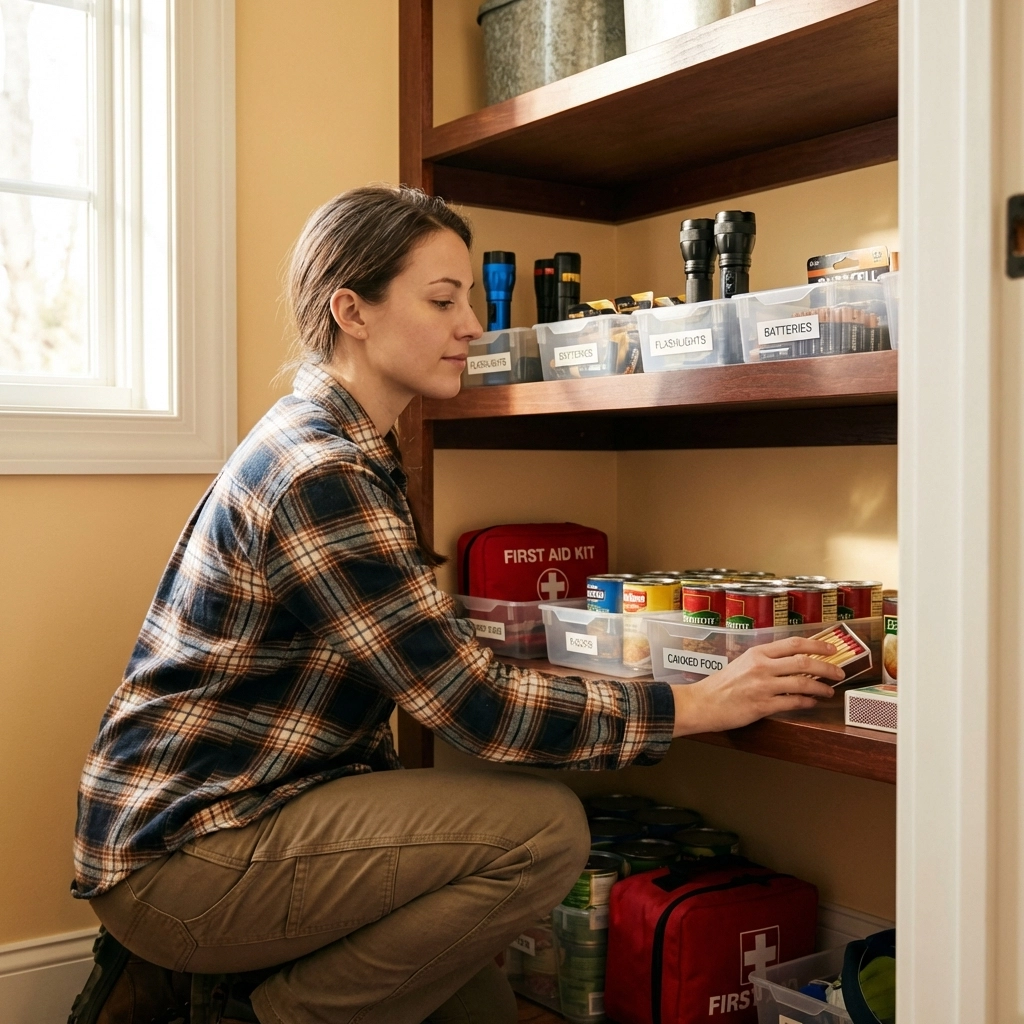
These aren’t just life skills: they’re advanced preparedness competencies. You’ve been training for this without realizing it.
Single Women: Building Your Preparedness Foundation
As a single woman, your preparedness journey might look different, but your advantages are real. You have:
Complete autonomy over decisions. You can implement preparedness strategies immediately without negotiating with anyone. Want to start a food storage system? Done. Ready to learn new skills? Your schedule, your choice.
Network-building abilities. Women excel at creating and maintaining social connections. These relationships become crucial during emergencies: from having someone to check on you during storms to coordinating mutual aid during longer-term challenges.
Adaptability and learning orientation. Research shows women demonstrate greater initiative in learning new skills and adapting to change. This translates directly to acquiring preparedness knowledge and adjusting strategies as you learn what works.
Turning Your Daily Skills Into Preparedness Strengths
From Meal Planning to Food Storage
You already plan meals, shop strategically, and manage food inventory. Extend this thinking:
- When meal planning, add one extra week to your timeline
- Rotate through ingredients you already use: just buy more
- Use your budgeting skills to gradually build food storage without strain
From Schedule Management to Emergency Planning
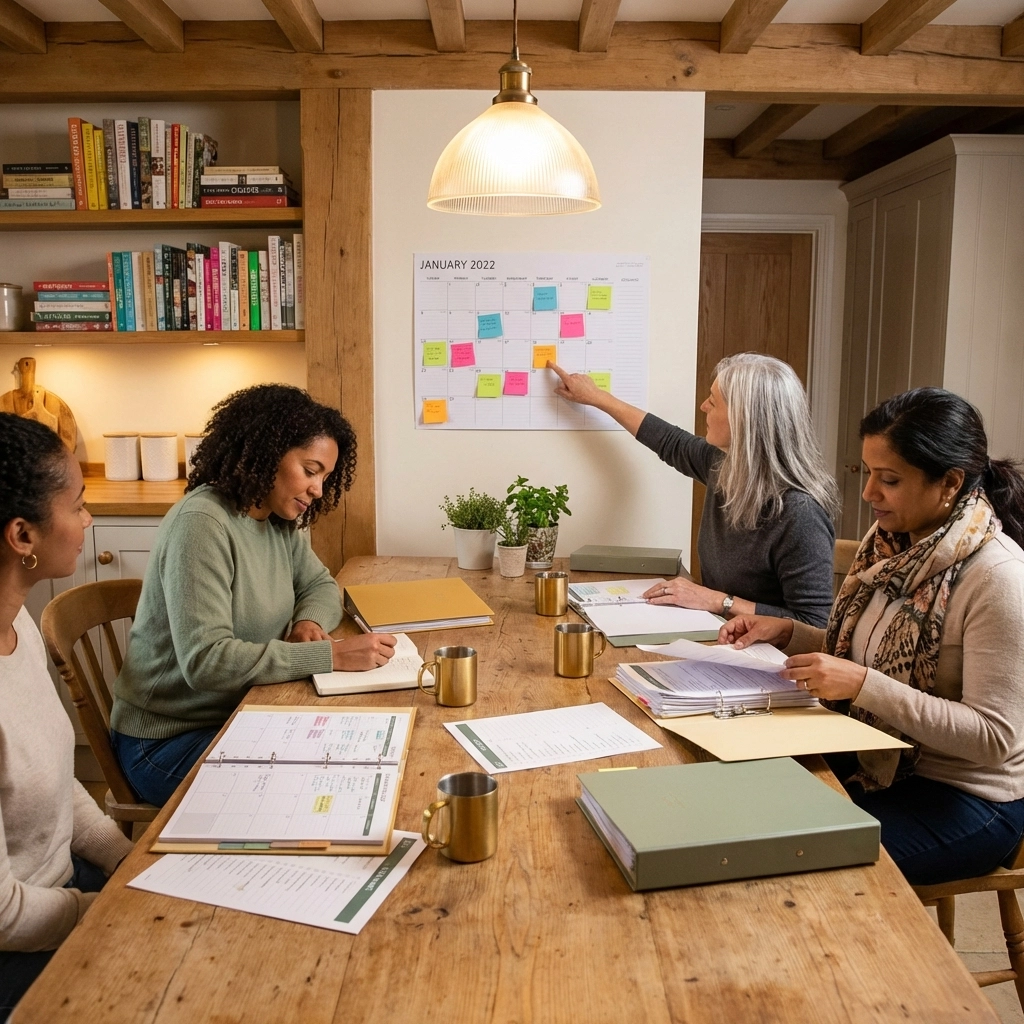
You coordinate complex schedules and anticipate conflicts. Apply this to emergencies:
- Create family emergency contact lists like you create carpool schedules
- Plan meeting points the way you plan family gatherings
- Think through scenarios like you think through vacation logistics
From Crisis Management to Emergency Response
Every parent knows how to handle unexpected situations. Scale these skills:
- Apply your “sick day” protocols to longer disruptions
- Use your calm-under-pressure demeanor to lead others during emergencies
- Leverage your ability to comfort and reassure during stressful times
Practical Steps to Embrace Your Preparedness Leadership
Start Where You Are
Don’t compare your beginning to someone else’s middle. Your first preparedness steps should build on what you’re already doing well. If you’re great at organizing, start with organizing emergency supplies. If you excel at research, dive into learning about local risks and resources.
Trust Your Instincts
Women are often told their concerns are overreactions or that they’re being “too careful.” Trust your instincts about preparedness. If something feels important to you: whether it’s having extra medications on hand or learning basic repair skills: honor that instinct.
Build on Your Networks
Use your natural networking abilities to create preparedness connections. Start conversations with neighbors, join community groups, or connect with other women interested in preparedness. Your collaborative approach will create stronger, more resilient communities.
Teach What You Learn
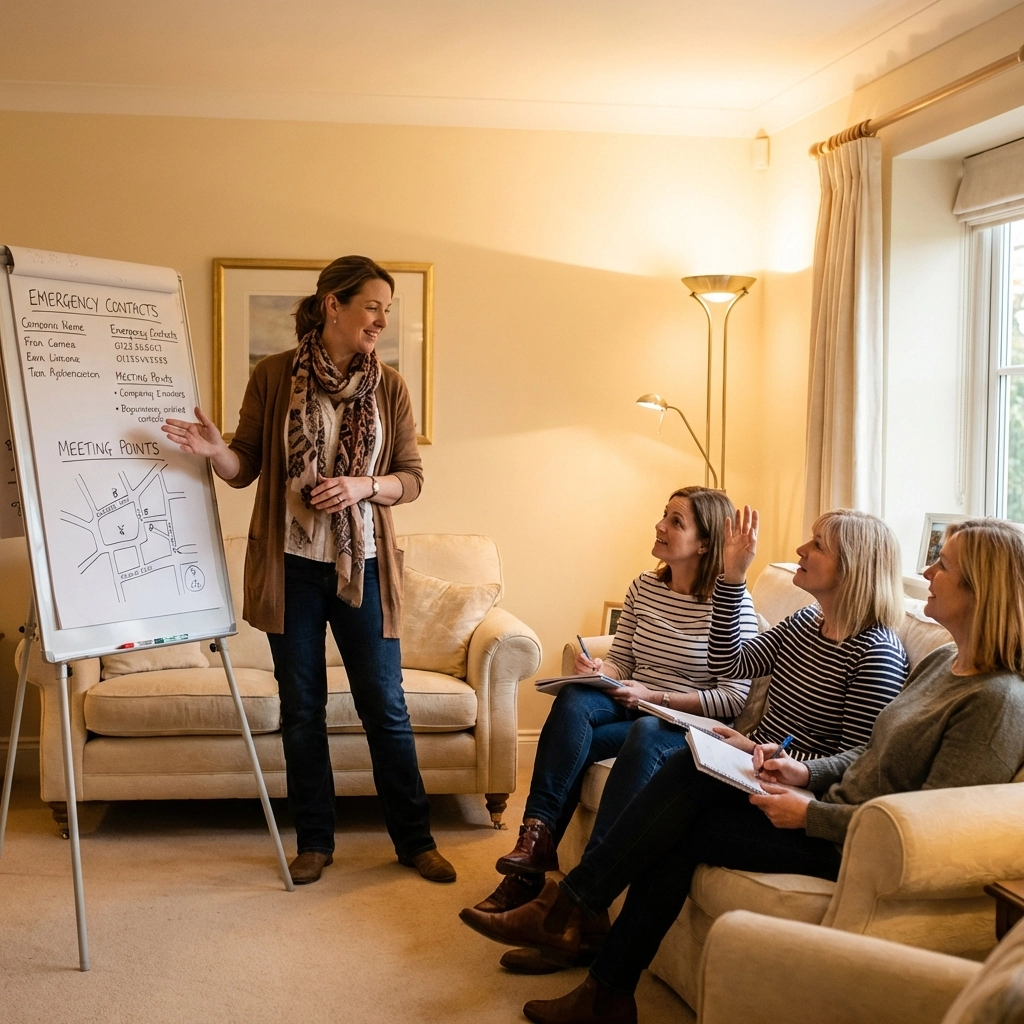
Women excel at knowledge sharing and mentoring. As you develop preparedness skills, share them with others. Teaching reinforces your own learning and builds the kind of community resilience that benefits everyone.
Your Preparedness Journey Starts Now
You don’t need to become someone new to be good at preparedness: you need to recognize who you already are. The skills that make you effective in your daily life are the same skills that will serve you and your family during challenging times.
Your empathy makes your plans more comprehensive. Your multitasking ability helps you manage complex situations. Your communication skills help others stay calm and informed. Your problem-solving experience gives you confidence to adapt when things don’t go according to plan.
The preparedness community needs your perspective, your skills, and your leadership. You’re not starting from scratch: you’re building on a foundation of competency you’ve been developing your entire life.
Start today. Look around your home and life with new eyes. Notice what you’re already doing right. Build on what’s working. Trust your abilities.
You’ve got this: you always have.
Ready to embrace your preparedness leadership? Subscribe to my newsletter for practical tips that build on your existing strengths, and check out my latest podcast episode where we dive deeper into building confidence in your preparedness journey. Your skills matter, and your family and community need what you have to offer.