You know that feeling when you’re scrolling through prepper content and suddenly feel like you need to have a fully stocked bunker, six months of freeze-dried meals, and a comprehensive evacuation plan by tomorrow? Yeah, we’ve all been there. The overwhelm is real, and it’s exactly what keeps so many of us: especially busy women juggling work, kids, and life: from ever taking that first step.
Here’s the truth bomb you need to hear today: Prepping is about progress, not perfection. And whether you’re a complete beginner or someone who started strong but lost momentum somewhere along the way, it’s never too late (or too early) to begin your preparedness journey.
The Perfectionism Trap That’s Keeping You Stuck
Let’s be honest: the prepping world can feel intimidating. Between the elaborate setups you see on social media and the comprehensive checklists that seem to go on forever, it’s easy to think you need to go from zero to fully prepared overnight. But that mindset is exactly what’s sabotaging your progress before you even start.
The reality is that emergency preparedness is fundamentally a continuous cycle of planning, organizing, training, equipping, and improving: not a destination you arrive at and check off your to-do list. This means you can literally start anywhere, with whatever resources you have right now, and build from there.
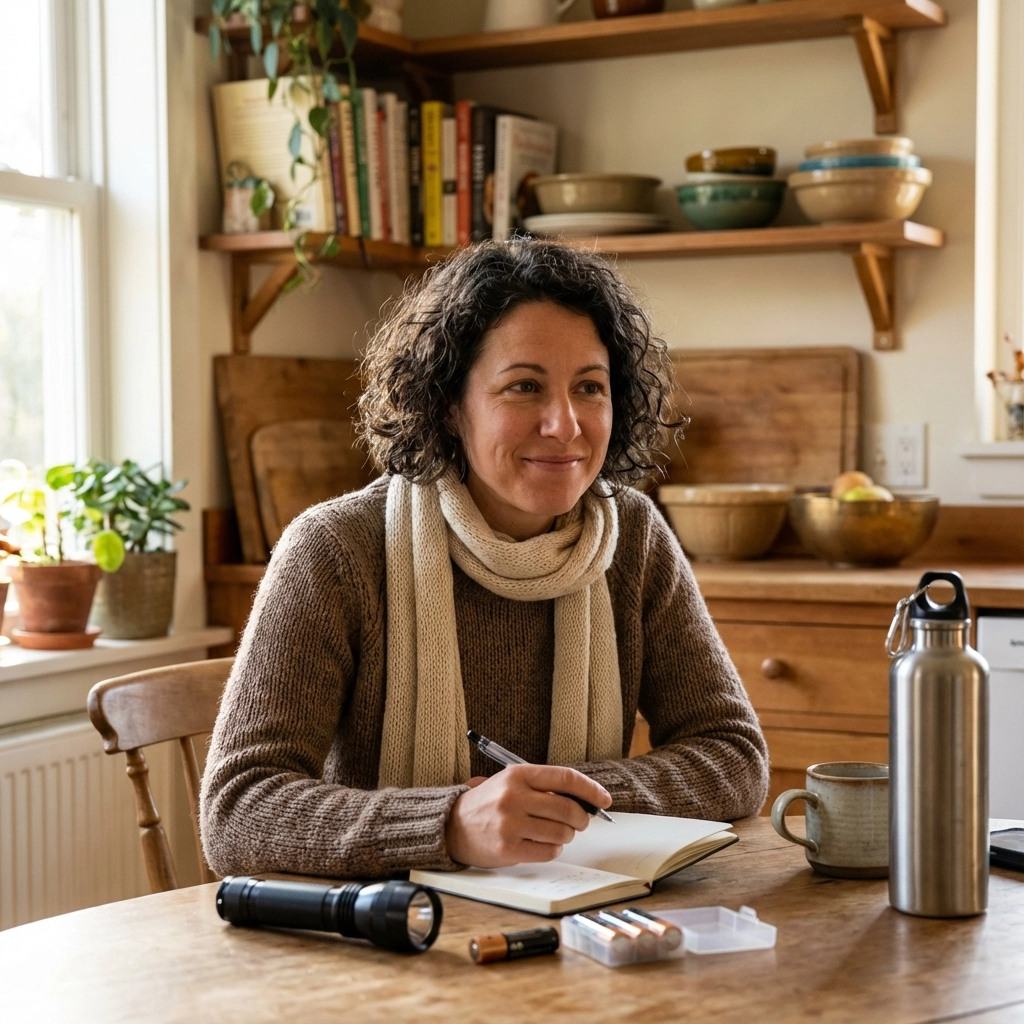
Think about it this way: having a flashlight and some extra batteries in your junk drawer is infinitely better than having no emergency supplies because you couldn’t afford a $500 emergency kit. Having a basic family communication plan scribbled on a napkin is better than no plan at all because you haven’t had time to create a color-coded, laminated masterpiece.
Small Steps, Big Impact: Why Every Action Counts
Here’s what changed everything for me: realizing that preparedness isn’t about anticipating every possible scenario: it’s about building resilience one small step at a time. And the beautiful thing about taking a progressive approach is that each small action builds confidence and momentum for the next one.
Consider Sarah, a single mom I know who felt completely overwhelmed by the idea of emergency preparedness. She started by simply keeping an extra gallon of water in her closet and a battery-powered radio on her kitchen counter. Six months later, she had gradually built up a solid 72-hour kit, established an emergency contact plan with her kids’ school, and even connected with neighbors about community preparedness. She didn’t do it all at once: she did it consistently, one manageable step at a time.
The key is understanding that preparedness must be strategic and structured, not reactive. When you start now: even in small ways: you’re giving yourself the gift of time to identify threats specific to your situation, practice your responses, and adjust your plans as needed.
Your Permission Slip to Start Imperfectly
If you’re waiting for the “right time” to start prepping, I’m here to tell you that time is now. Not because the world is ending, but because there is no perfect time, perfect budget, or perfect knowledge level to begin.
Maybe you’re thinking, “But I’m a renter, so I can’t do much,” or “I’m on a tight budget,” or “I don’t even know where to begin.” These aren’t roadblocks: they’re simply starting points. Some of the most resourceful preppers I know are women who started with significant constraints and got creative within them.
For the budget-conscious: Start by buying one extra can of something you already eat each time you grocery shop. Rotate these items into your regular meals and replace them. In a few months, you’ll have a decent food buffer without breaking the bank.
For the time-strapped: Set a timer for just 10 minutes once a week to work on preparedness. Maybe that’s researching evacuation routes one week, organizing important documents the next, or simply checking the batteries in your smoke detector.
For the space-limited: Focus on multi-purpose items and vertical storage. A sturdy backpack can hold emergency supplies and double as a bug-out bag. Under-bed storage containers can house emergency supplies while keeping them accessible but out of the way.
Breaking Down the Big Picture: Your First Five Steps
Ready to start or restart your preparedness journey? Here are five low-barrier actions you can take today, no matter your situation:
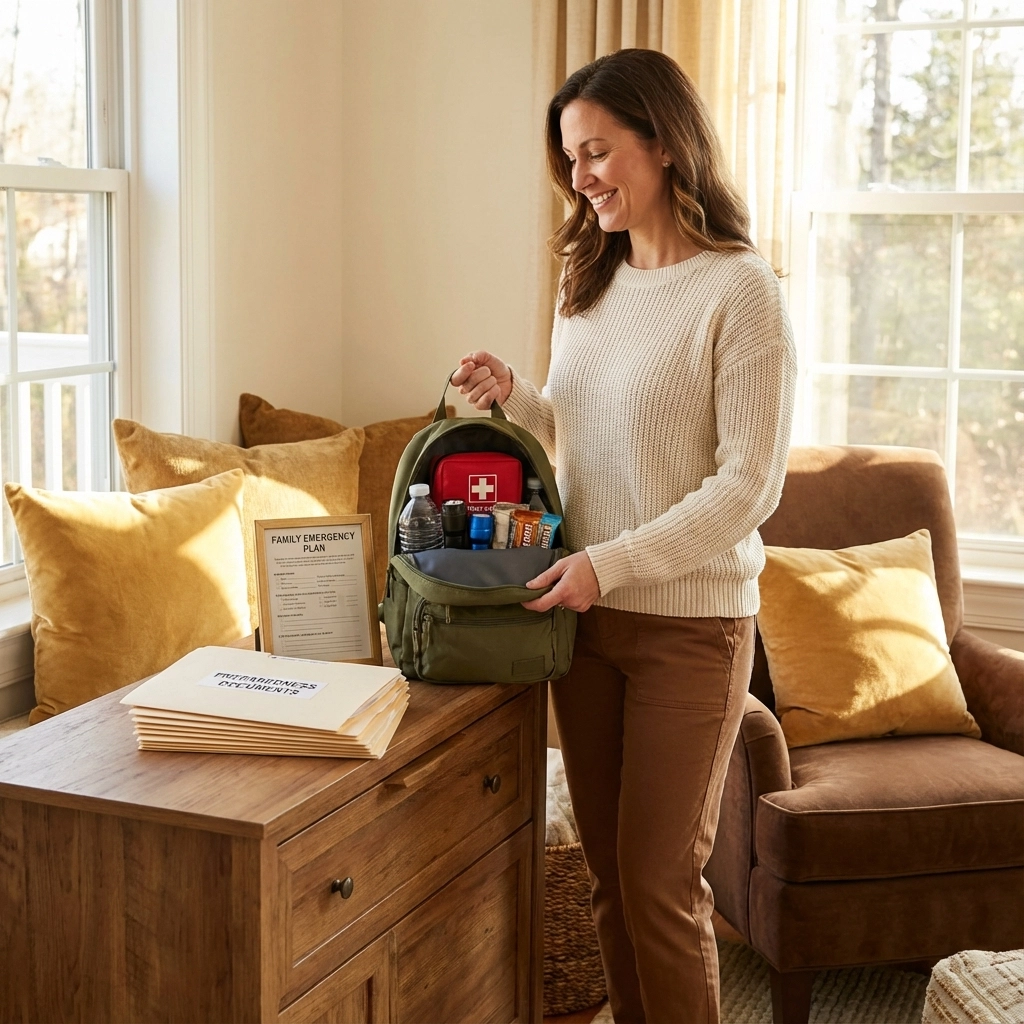
1. Create a basic communication plan. Write down important phone numbers, meeting places, and out-of-state contacts on a piece of paper. Make copies for everyone in your household. This costs nothing but could be invaluable in an emergency.
2. Gather important documents. Spend 15 minutes collecting copies of IDs, insurance papers, and medical information. Put them in a waterproof bag or scan them to a secure cloud storage. Future you will thank present you.
3. Start a water supply. Buy a case of bottled water or fill a few clean containers with tap water. Store them somewhere cool and dark. Aim for one gallon per person per day, starting with just a three-day supply.
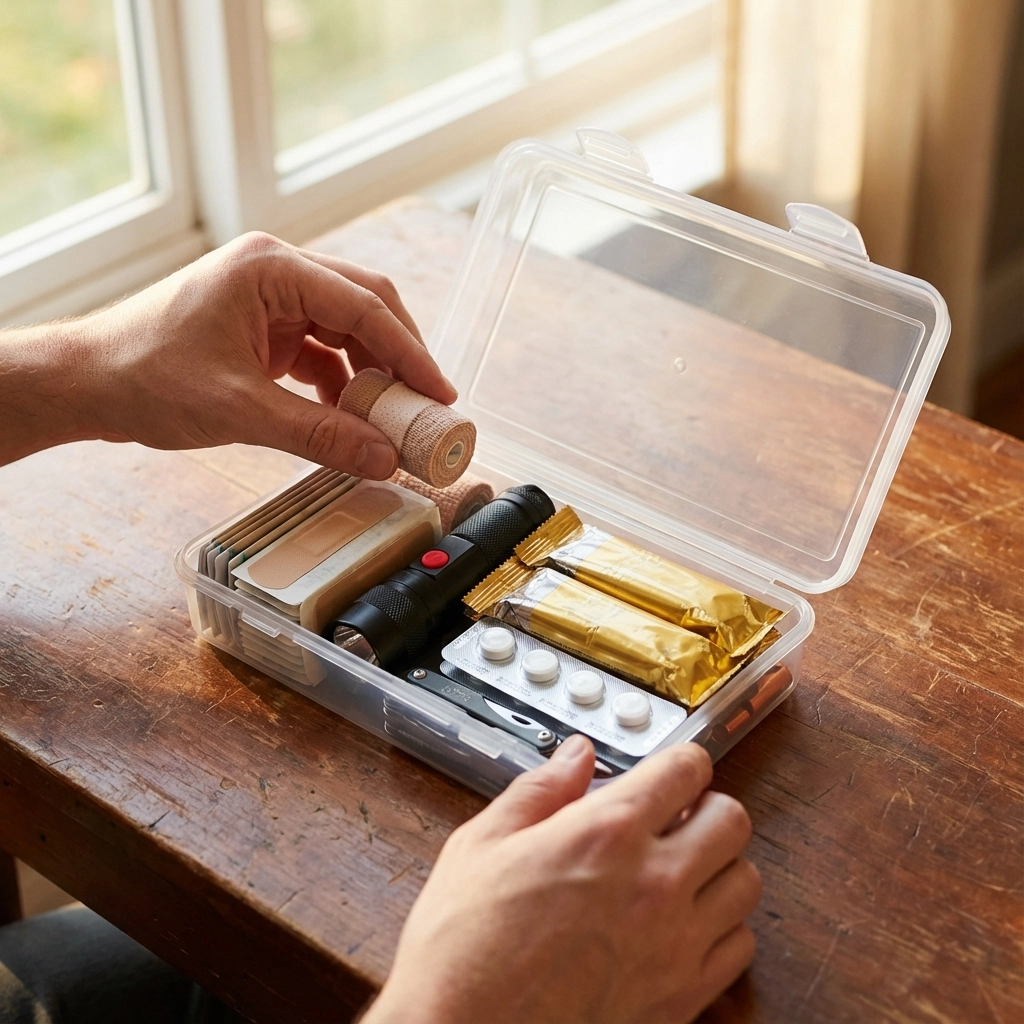
4. Build a basic first aid kit. You don’t need a hospital-grade setup. Start with bandages, pain relievers, antiseptic wipes, and any prescription medications your family needs. A small makeup bag or plastic container works perfectly for storage.
5. Identify your risks. Spend 10 minutes researching what emergencies are most common in your area. Floods? Power outages? Severe storms? Knowing what you’re most likely to face helps you prioritize your preparations.
The Real Secret: It’s Not About the Supplies
Here’s what I wish someone had told me when I first started prepping: the most important part isn’t the gear or the food storage: it’s developing the mindset of resilience and self-reliance. When you take small, consistent steps toward preparedness, you’re not just gathering supplies; you’re building confidence in your ability to handle whatever comes your way.
This mindset shift is especially powerful for women. Society often tells us we need to be rescued or that we’re not capable of handling “technical” things like emergency planning. But every time you take a small step toward preparedness, you’re proving that narrative wrong and building trust in your own capabilities.
When Life Gets in the Way
Let’s talk about what happens when you start strong but life derails your progress. Maybe you had a great emergency kit going, but then you moved and everything got scattered. Or you used your emergency fund for an actual emergency and haven’t rebuilt it yet. This isn’t failure: it’s life being life.
The beauty of approaching preparedness as a continuous cycle is that there’s always an on-ramp back into the process. You don’t have to start from scratch; you can pick up wherever you left off and keep moving forward. Lost momentum doesn’t erase the knowledge you’ve gained or the progress you’ve made.
Think of it like fitness: if you stop working out for a month, you don’t throw away your sneakers and declare yourself permanently unfit. You lace them back up and start again. Preparedness works the same way.
Building Your Support Network
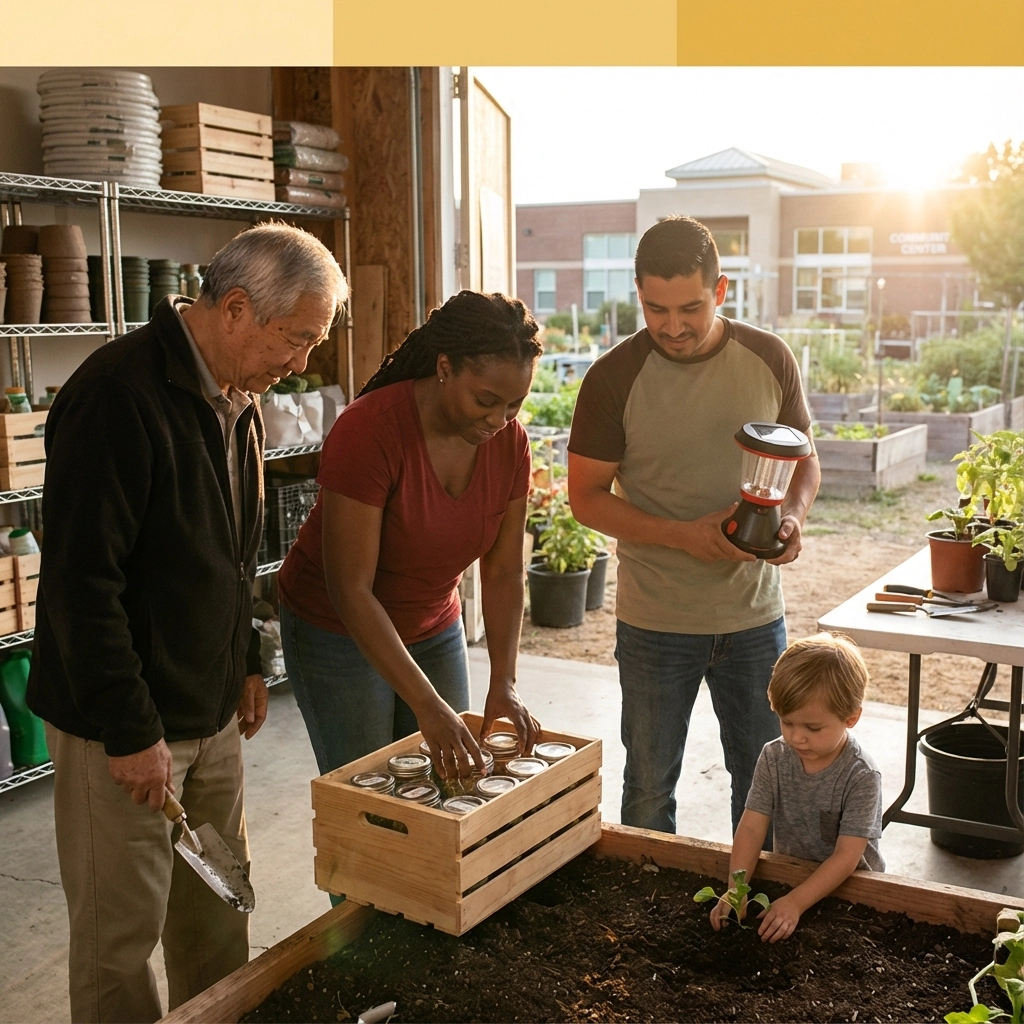
One of the most overlooked aspects of preparedness is community. You don’t have to do this alone, and in fact, you shouldn’t. Whether it’s family, friends, neighbors, or online communities, having people who share your preparedness mindset makes the journey more enjoyable and sustainable.
Consider joining local emergency response groups, neighborhood preparedness committees, or online communities where you can ask questions, share resources, and learn from others’ experiences. The knowledge and moral support you’ll gain are just as valuable as any physical supplies.
Your Preparedness Journey Starts Now
Remember, effective preparedness isn’t about having perfect plans or unlimited resources: it’s about starting where you are with what you have and building systematically over time. Every small action you take today makes you more resilient tomorrow.
Whether you’re taking your first step or getting back on track after a hiatus, you’re exactly where you need to be. Progress over perfection, every single time.
Ready to take action and dive deeper? Start by checking out my articles on https://urbanladyprepper.com/index.php/blog/ to see what resonates with your situation, and don’t miss our latest podcast episode where we dive deeper into building confidence through preparedness. Your future self is counting on the actions you take today: and she’s going to be so proud of where you started.