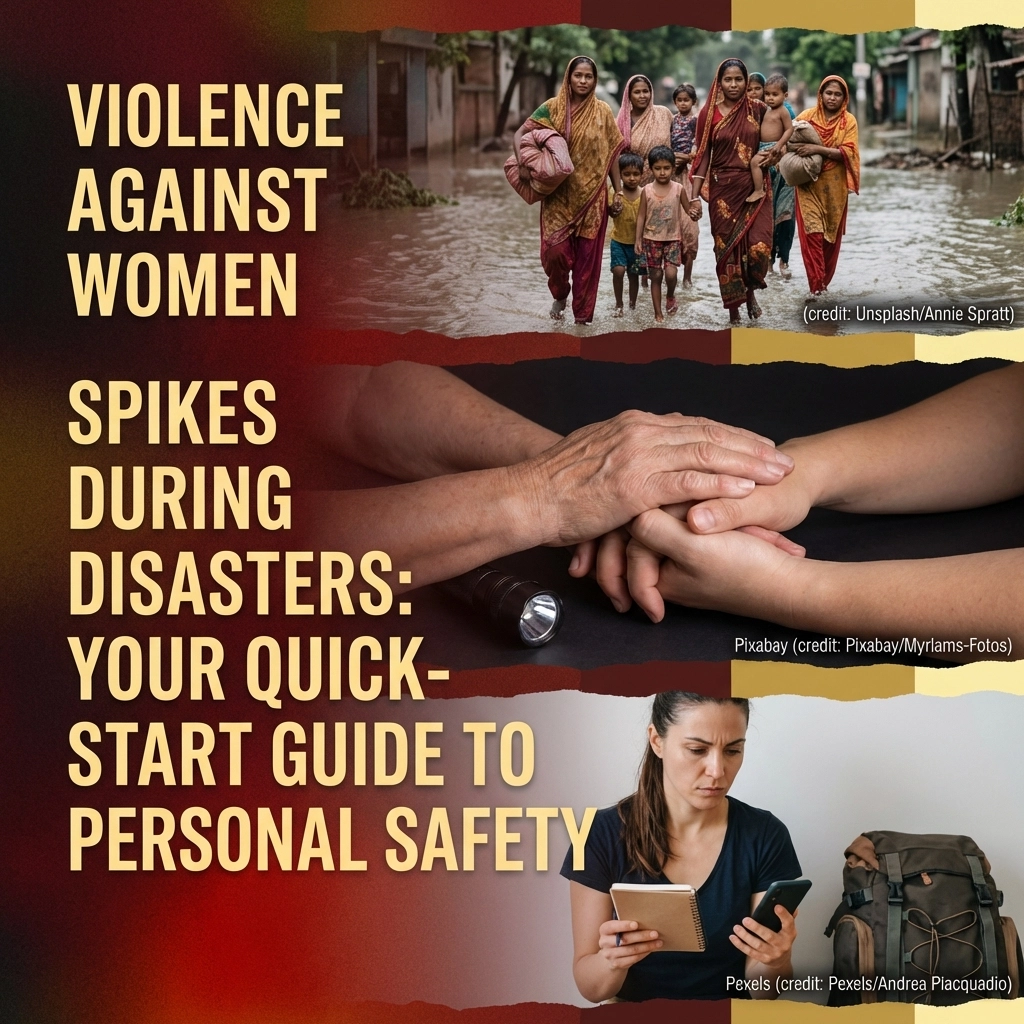
Let’s talk about something that doesn’t get nearly enough attention in emergency preparedness circles: the sobering reality that violence against women increases significantly during and after disasters. I know this isn’t the cheeriest topic to dive into, but knowledge is power, and being prepared means facing the hard truths alongside the practical ones.
The statistics are eye-opening. After Hurricane Katrina, physical victimization of women jumped by 98%, with rates climbing from 33.6% to 45.2%. Following Hurricane Maria in Puerto Rico, domestic violence organizations saw a 62% spike in requests for survivor services. Women in storm-damaged areas faced a five to eight times higher risk of experiencing domestic violence.
But here’s the thing – I’m not sharing these numbers to scare you. I’m sharing them because understanding the risks is the first step to protecting yourself and your loved ones.
Why Does Violence Increase During Disasters?
Understanding the “why” helps us better prepare for the “what now.” Several factors create a perfect storm for increased violence:
Economic stress and desperation top the list. When people lose jobs, homes, or access to basic resources, tensions escalate. Financial insecurity often triggers aggressive behavior, particularly in households where domestic violence already exists.
Breakdown of normal social structures removes many protective barriers. Police may be overwhelmed or unavailable, courts might be closed, and shelters could be damaged or overcrowded. The systems we normally rely on for protection may simply not be there.
Displacement and overcrowding in emergency shelters create volatile situations. Temporary housing often lacks privacy, security, and proper lighting – all factors that increase vulnerability.
Your Personal Safety Action Plan
Now let’s get to the practical stuff. Whether you’re living in a studio apartment or a suburban home, these strategies can be adapted to your situation.
Before Disaster Strikes
Create a safety contact network. Identify three people outside your immediate area who you can reach out to if local communication is down. Share your emergency plan with them, including where you might evacuate and how they can help coordinate your safety. Check out my episode on how to build your network quickly and easily here.
Establish code words with trusted friends or family members. A simple phrase like “how’s the weather?” could signal that you need help without alerting potential threats nearby. This works whether you’re texting, calling, or even posting on social media.
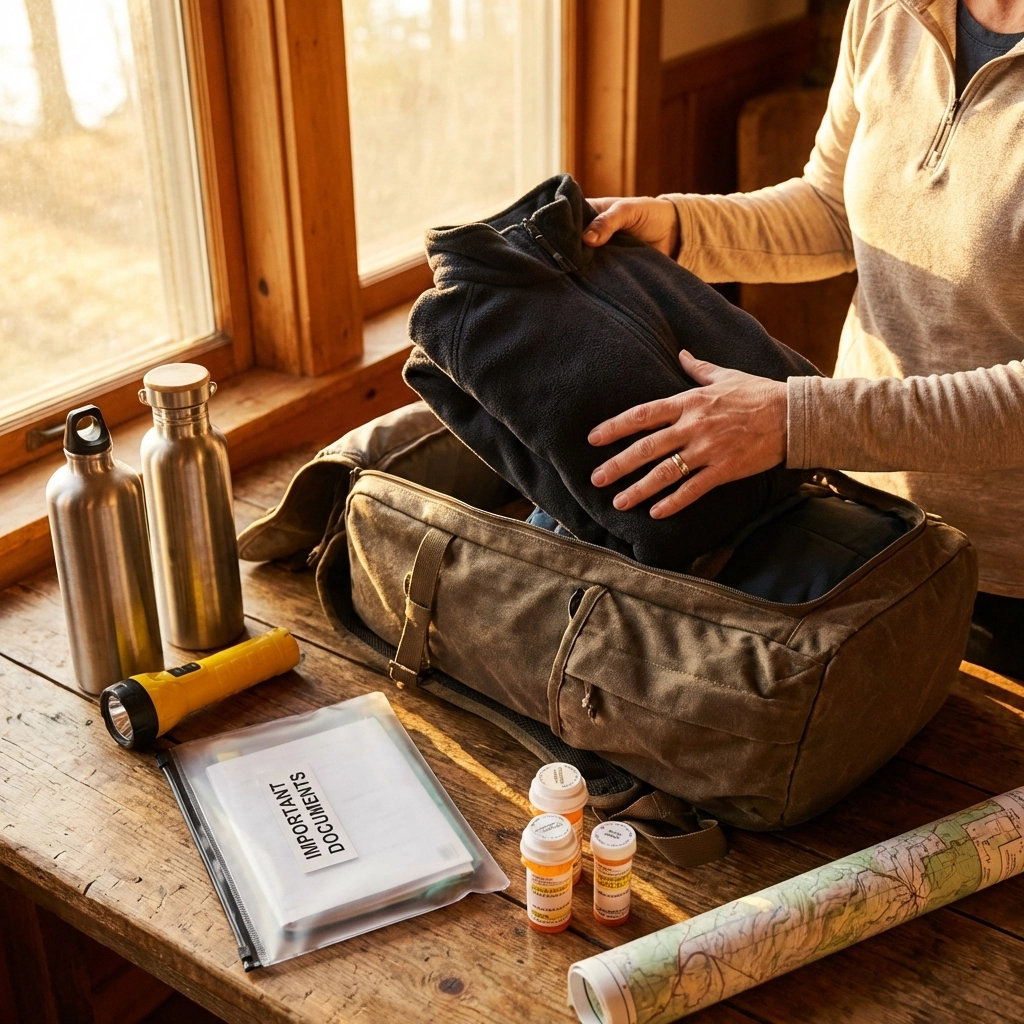
Document everything important. Keep copies of identification, insurance papers, and any restraining orders in multiple locations – with trusted friends, in a safety deposit box, or secure cloud storage. Having these readily available can be crucial if you need to leave quickly.
Prepare a go-bag for each family member. Beyond the standard emergency supplies, include a change of clothes, medications, copies of important documents, some cash, and comfort items for children. Store these in different locations so you’re not dependent on accessing just one spot.
During the Emergency
Trust your instincts. If a situation or person feels off, listen to that internal alarm. During chaotic times, people who might normally respect boundaries may not, and your gut feeling is often your best early warning system.
Stay connected but smart about it. Check in regularly with your safety network, but be mindful of who might be monitoring your communications. Use the code words you’ve established if needed.
Stick to well-lit, populated areas whenever possible. If you must venture out, try to go with others or at least let someone know your exact route and expected return time.
Urban-Specific Safety Strategies
Living in the city during a disaster presents unique challenges and opportunities. Here’s how to make your urban environment work for you:
Know your building’s security features. Can stairwell doors be locked from the inside? Are there multiple exit routes? Is there a roof access that could serve as an escape route or signal for help location?
Build relationships with neighbors now. That friendly neighbor down the hall could become your strongest ally during an emergency. Start building those connections before you need them.
Identify safe spaces in your neighborhood. Churches, community centers, and established businesses often become informal safe havens. Know where these are and how to get there via multiple routes.
If You’re in an Abusive Relationship
Disasters can escalate existing domestic violence situations dramatically. If you’re already in an unsafe relationship, having an emergency plan becomes even more critical.
Create a safety fund if possible. Even small amounts saved over time can provide options for transportation, temporary shelter, or basic necessities if you need to leave suddenly.
Establish contact with domestic violence resources before crisis hits. The National Domestic Violence Hotline (1-800-799-7233) operates 24/7 and can help you develop a safety plan specific to your situation.
Have important phone numbers memorized or written in multiple places. During disasters, you might not have access to your phone’s contact list.
Some shelters accept or have access to space for your pet(s). Your furbaby may give you comfort in such a difficult situation, but that’s also a reason many women stay in abusive relationships – they don’t want to abandon the animal in an environment she is trying to flee because she believes there is no way to keep them. When you’re ready to make your move, if there is anyone you can count on to keep them while you find a shelter and pet-friendly arrangements, include this in your plan.
If you feel you are being stalked, consider getting a device that detects trackers and hidden cameras.

Building Your Support Network
One of the most powerful tools for staying safe is having people who’ve got your back. This is especially crucial for single moms who might feel like they’re handling everything alone.
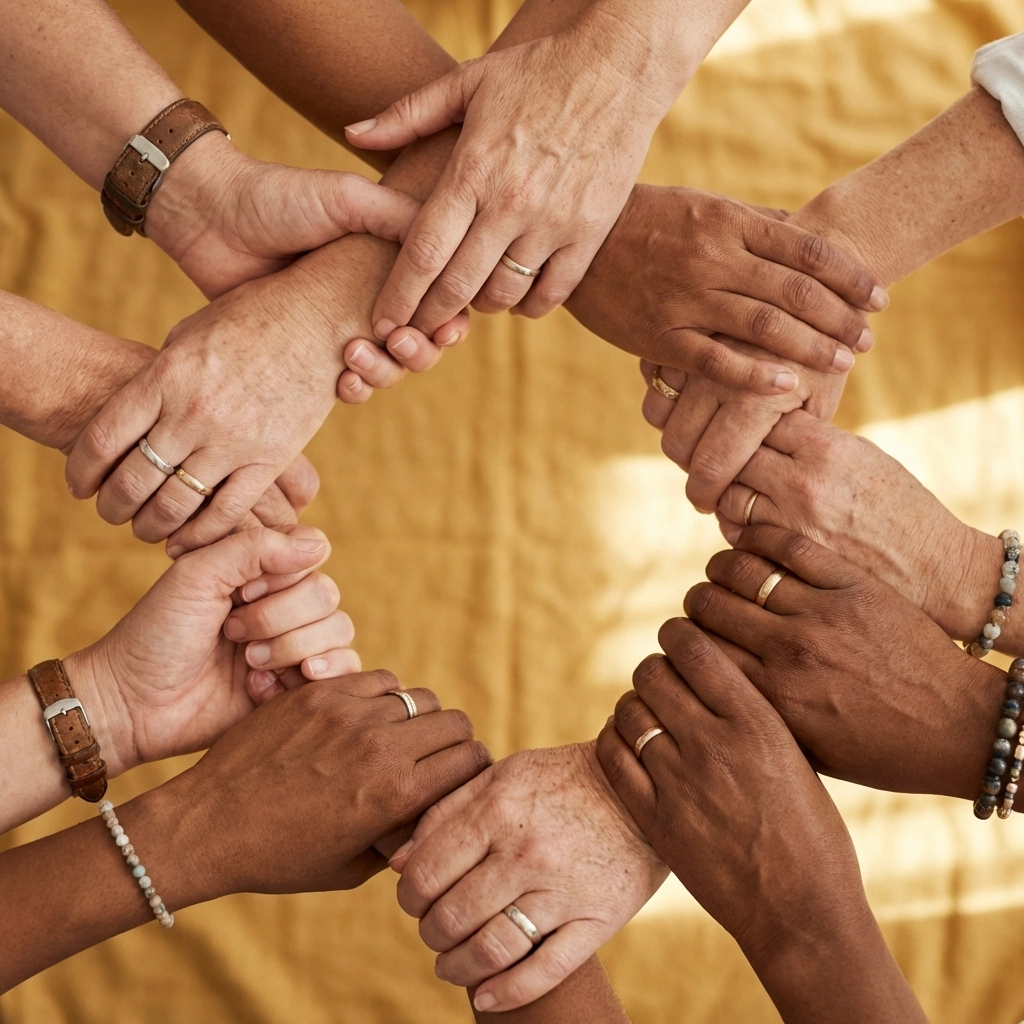
Connect with other women in your area. Consider starting or joining a neighborhood group focused on emergency preparedness. There’s strength in numbers, and shared knowledge makes everyone safer.
Establish check-in protocols with friends and family. Agree on how often you’ll contact each other during different types of emergencies and what it means if someone doesn’t check in on schedule.
Consider learning basic self-defense. Many community centers offer women’s self-defense classes. Even basic knowledge can boost your confidence and provide options if you find yourself in a threatening situation.
Technology as Your Safety Net
Your smartphone can be a powerful safety tool if used strategically:
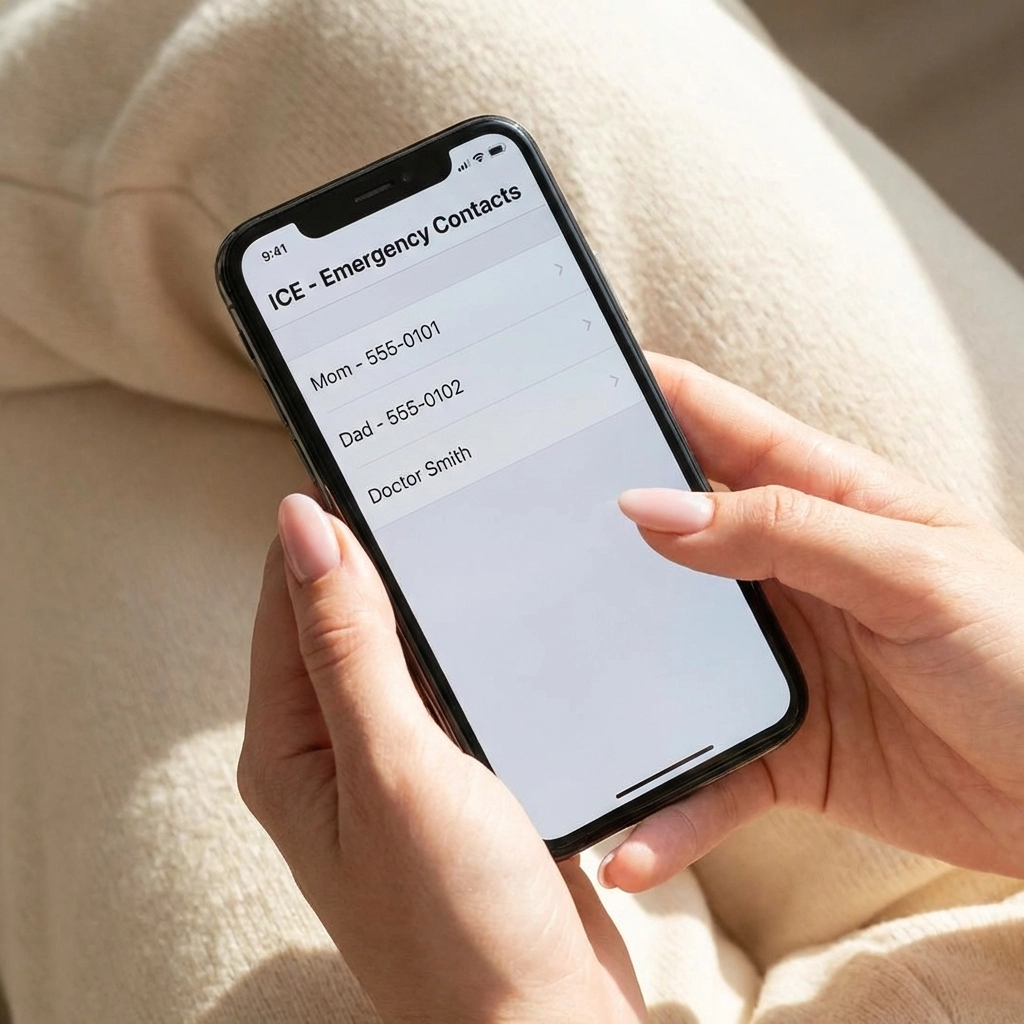
Set up emergency contacts that can be accessed even when your phone is locked. Most phones allow you to add ICE (In Case of Emergency) contacts that first responders can see without unlocking your device.
Use location sharing wisely. Share your location with trusted contacts during emergencies, but be mindful of who has access to this information.
Download offline maps of your area. If cell towers are down, you might still be able to navigate using your phone’s GPS without an internet connection.
Recovery and Moving Forward
The period after a disaster can actually be when women are most vulnerable. The initial crisis response has ended, but systems are still disrupted, and the stress of rebuilding can intensify existing problems.
Continue checking in with your support network regularly, even after the immediate danger has passed. Recovery is a marathon, not a sprint.
Document any incidents that occur. If you experience harassment, threats, or violence during or after a disaster, keep detailed records. This information could be crucial later.
Access available resources. Many organizations provide specific support for women affected by disasters. Don’t hesitate to reach out – these services exist because the need is real and recognized.
Your Safety Matters
Remember, preparing for personal safety during disasters isn’t about living in fear – it’s about living with confidence. By thinking through these scenarios and having plans in place, you’re taking control of your safety rather than hoping for the best.
Every woman’s situation is different, so adapt these strategies to fit your specific circumstances, living situation, and resources. The goal isn’t perfection; it’s preparation.
Your safety matters. Your family’s safety matters. And taking steps to protect yourself isn’t paranoid – it’s smart.
Ready to take your emergency preparedness to the next level? Sign up for my newsletter to get practical tips delivered right to your inbox, and don’t miss my latest podcast episode where we dive deeper into building your personal safety network. Because when women are prepared, families are safer, and communities are stronger.