
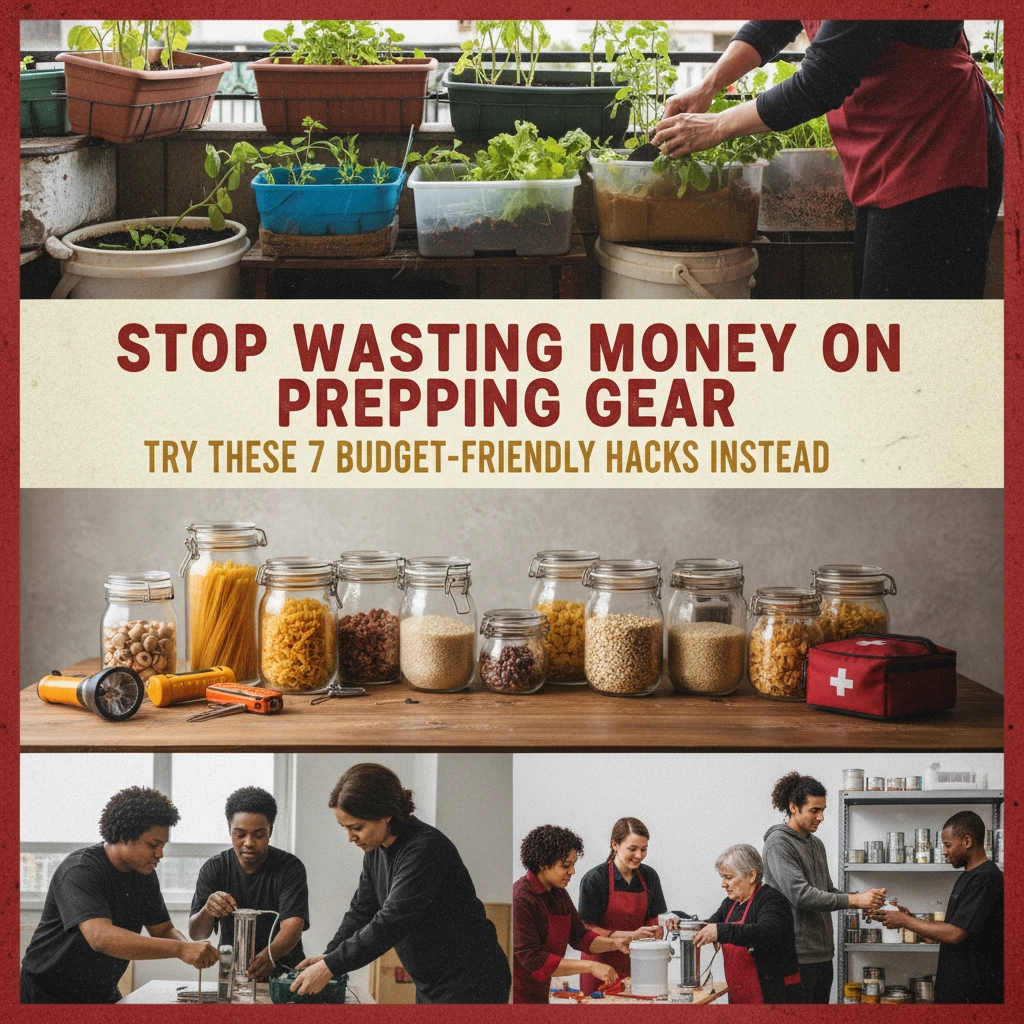
Let’s be real for a minute. The prepping industry wants you to believe that you need thousands of dollars’ worth of tactical gear to survive an emergency. But here’s what they don’t tell you: some of the most effective survival solutions cost less than your morning coffee.
I’ve been there – staring at my credit card statement, wondering how I spent $300 on gear that’s still sitting in a box. The truth is, smart prepping isn’t about having the most expensive equipment. It’s about being resourceful, strategic, and knowing which corners you can cut without compromising your safety.
Today, I’m sharing seven budget-friendly hacks that’ll get you prepared without breaking the bank. These aren’t just money-saving tips – they’re battle-tested alternatives that work just as well as their pricey counterparts.
Hack #1: Master the $20 Survival Trinity
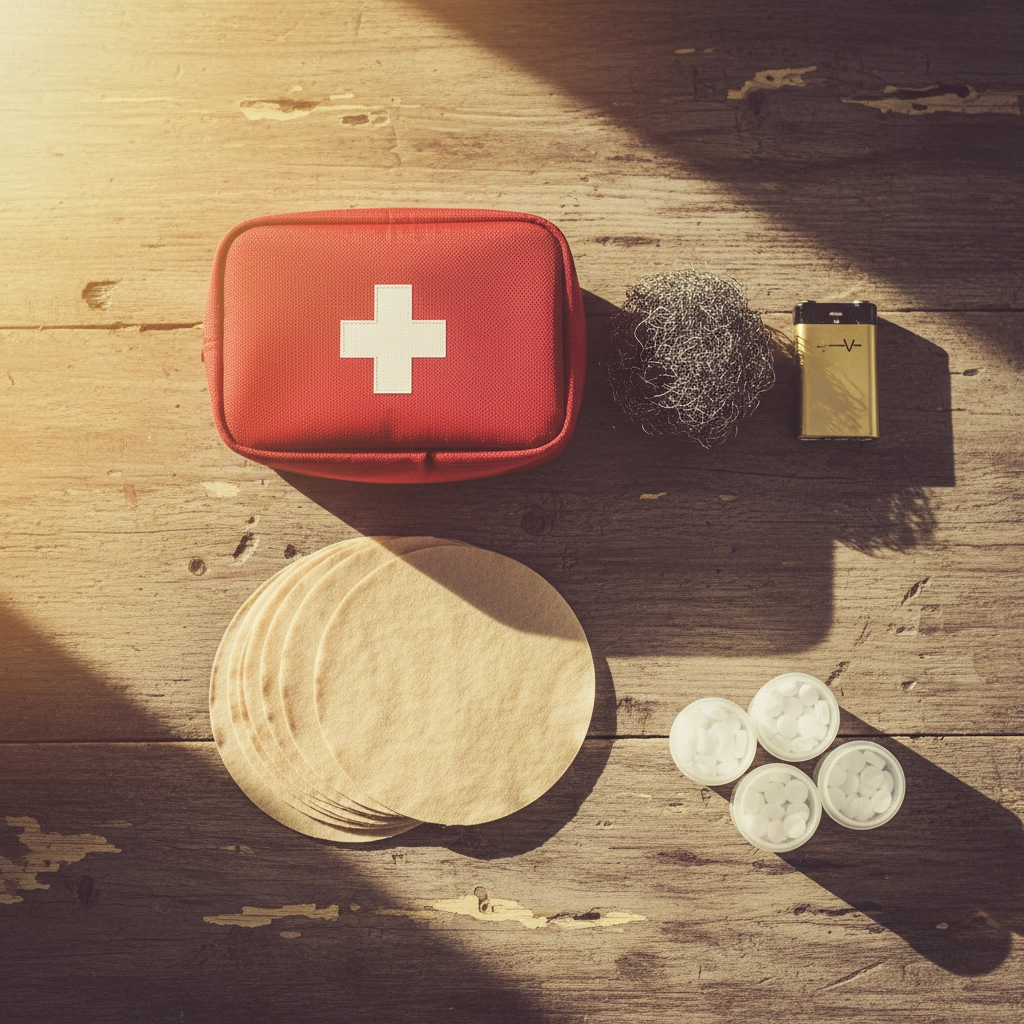
Instead of buying a $200 “complete survival kit,” focus on the three categories that actually matter: water purification, fire starting, and basic first aid. You can cover all three for less than $20 total.
Start with water purification tablets from the pool supply section – they do the exact same job as those $2-per-pill “survival” tablets but cost a fraction of the price. Add some coffee filters (2 cents each!) for pre-filtering dirty water, and you’re already ahead of most expensive filtration systems.
For fire starting, skip the $30 tactical fire starter. Steel wool plus a 9-volt battery creates an instant flame for under $3. Throw in some waterproof matches from the camping section, and you’ve got multiple fire-starting methods for less than most people spend on lunch.
A basic first aid kit from any pharmacy will handle 90% of emergency medical situations. You don’t need the tactical version with the fancy case – the gauze and antiseptic work exactly the same way.
Hack #2: Raid Your Junk Drawer Before You Shop
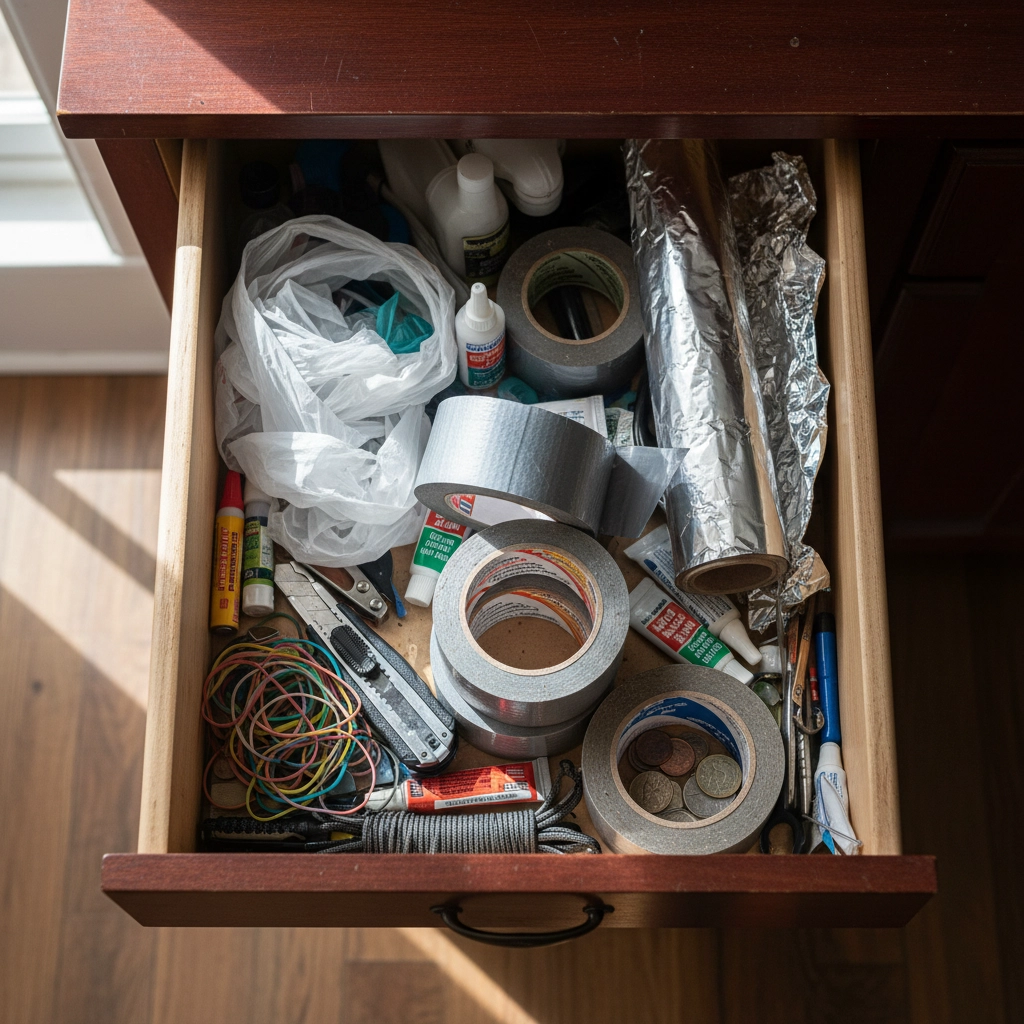
Your kitchen junk drawer contains more life-saving potential than most commercial emergency kits. Duct tape can close wounds, create waterproof seals, and repair almost anything. Super glue was actually developed for battlefield wound closure – it’s literally medical-grade equipment disguised as craft supplies.
That roll of aluminum foil? It reflects heat, creates a cooking surface, and can boost your cell phone signal in emergencies. Plastic bags become water carriers, food storage, or even emergency ponchos when you cut them open.
Take inventory of what you already have before spending money on specialized versions. You’ll be amazed at how much “survival gear” is already hiding in your house.
Hack #3: Dollar Store Gold Mine Strategy
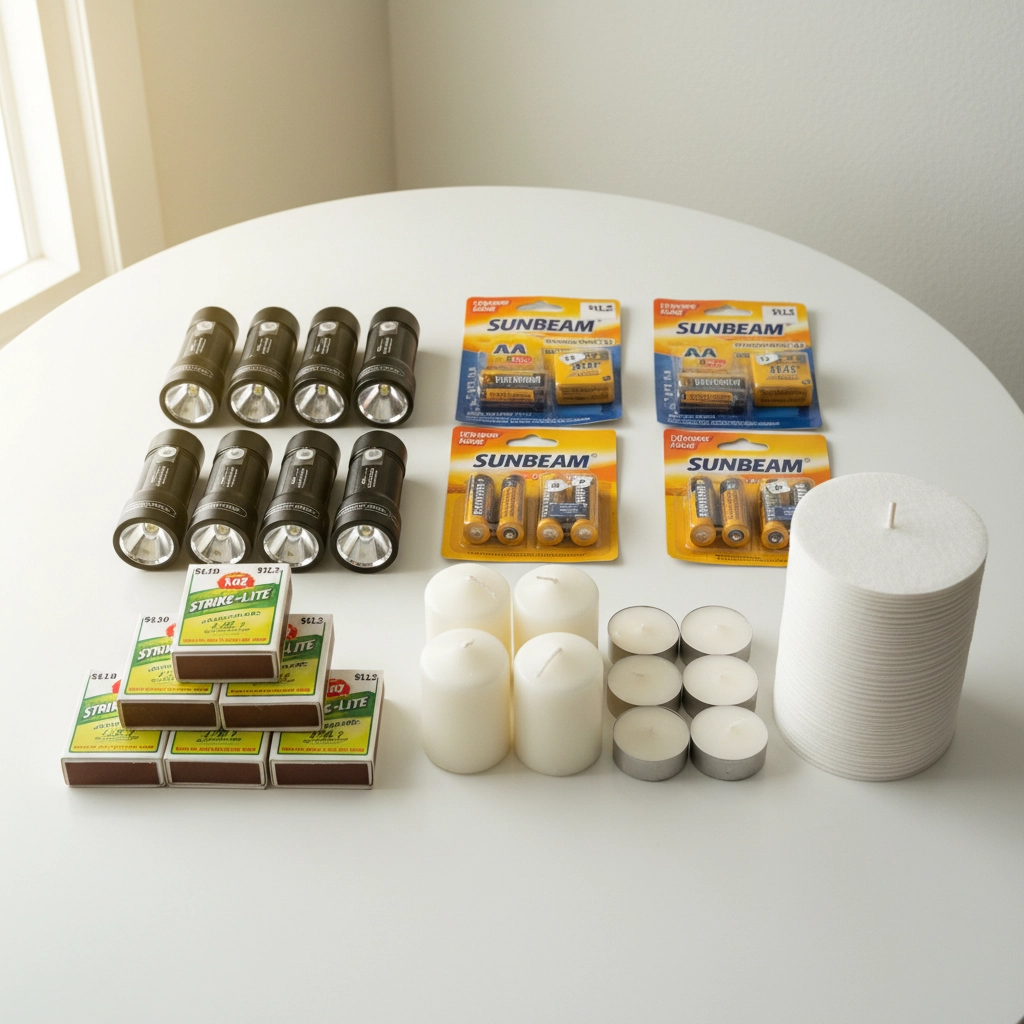
Dollar stores are preppers’ best-kept secret. Candles burn just as long as expensive “survival candles” but cost 90% less. Those cheap flashlights might not be tactical grade, but they’ll still light up a room when the power goes out.
Coffee filters aren’t just for coffee – they’re phenomenal water pre-filters that remove sediment and particles. A pack of 100 costs a dollar and filters more water than most expensive camping filters.
Stock up on batteries, matches, toiletries, and basic medications at dollar store prices. The key is knowing which items are worth buying cheap and which ones you should invest in quality.
Hack #4: Multi-Purpose Gear Maximizes Your Budget
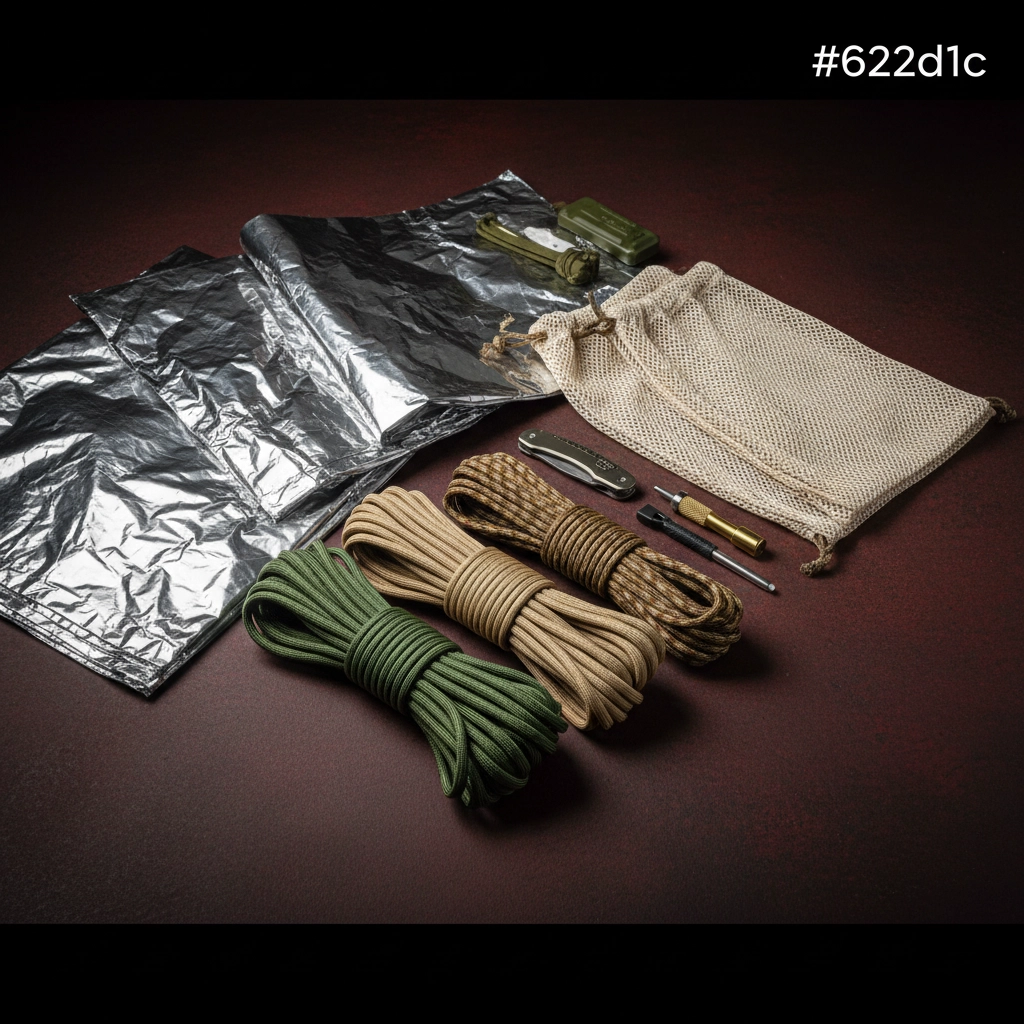
When you do spend money, buy items that serve multiple functions. Mylar blankets cost $7-16 and provide warmth, ground cover, signaling capability, and heat reflection all in one lightweight package.
Paracord is the ultimate multi-tool in rope form. A 200-foot spool runs about $30 and can become fishing line, shoelaces, clothesline, or emergency sutures. It’s strong enough to bear serious weight but versatile enough for delicate tasks.
Mesh market bags look simple but they’re incredibly versatile – use them for foraging, as fishing nets, laundry bags, or to organize your supplies. They take up almost no space and cost next to nothing.
Hack #5: Quality Budget Gear Under $50
Not everything needs to be DIY. Some tools are worth investing in, but you don’t need to pay premium prices. The Leatherman Rev multitool costs around $50 and provides professional-grade cutting, repair, and utility functions that would cost hundreds if you bought each tool separately.
For communication, walkie-talkies offer reliable two-way radio capability without the three-figure price tag of “tactical” radios. A good LED headlamp like the Nebo Einstein keeps your hands free while providing excellent light – crucial for emergency situations.
Look for military surplus stores and end-of-season sales. You can often find quality gear at 50-70% off retail prices just by timing your purchases right.
Hack #6: Strategic Bulk Buying and Sale Hunting
Emergency supplies don’t expire next week – you can afford to wait for sales. Set up price alerts for essential items and buy in bulk when prices drop. Stormproof matches in bulk cost less than $9 per multi-pack, making it affordable to stash several kits around your home and vehicles.
Many prepping websites run seasonal sales where you can get quality gear at significant discounts. Building your emergency supplies over time during sales costs far less than panic-buying everything at full price when disaster strikes.
Consider splitting bulk purchases with friends or neighbors. A case of emergency food bars might be too much for one person but perfect to divide among three families.
Hack #7: DIY Food Storage That Actually Works
Long-term food storage doesn’t require expensive freeze-dried meals. Food-grade buckets with mylar bag liners create airtight, pest-proof storage for rice, beans, and other staples at a fraction of the cost of commercial emergency food.
A 5-gallon bucket costs about $3, mylar bags are pennies each, and you can fill them with bulk rice and beans for less than $20 total. That same amount of storage in commercial emergency food would cost $200 or more.
Add some oxygen absorbers (available online for almost nothing) and you’ve created professional-grade long-term food storage that’ll last 20+ years.
The Real Secret: Start Small and Build Smart
The biggest prepping mistake isn’t buying cheap gear – it’s not starting at all because you think it’s too expensive. These budget hacks prove that effective emergency preparedness is accessible to everyone.
Start with one hack this week. Maybe it’s raiding your junk drawer to create a basic emergency kit, or hitting the dollar store for some backup lighting. Each small step builds your confidence and capability without straining your budget.
Remember, the best prepping gear is the gear you actually have when you need it. A $5 flashlight in your drawer beats a $200 tactical light you couldn’t afford to buy.
Your emergency preparedness doesn’t have to look like a military operation to be effective. Sometimes the smartest solution is also the simplest and cheapest one.
Ready to build your preparedness on a budget? Check out my podcast episodes where we dive deeper into money-saving prepping strategies, and don’t forget to sign up for our newsletter for more practical tips that won’t break the bank.


Pingback: Your Winter Car Kit 2026: How to Stay Safe & Storm Ready →