

Let’s talk about something we don’t discuss enough: money. Not in a “shame spiral about that latte” way, but in a real, practical, “let’s get our financial house in order” kind of way. Here are my:
15 Ways to Save Now: The Solo Woman’s Guide to Financial Resilience
Here’s the truth: when you’re flying solo, you’re your own safety net. There’s no second income to fall back on if the car breaks down or the hours get cut at work. And that’s not scary; that’s just reality. The good news? You’re already capable of handling this. You just need the right strategies.
Financial preparedness is emergency preparedness. Period. So let’s dive into my money-saving hacks that actually work for real women living real lives in urban areas.
1. Create a Budget That Reflects Your Actual Life
Track your spending for one month without judgment. Just observe where your money goes. Then create a realistic budget using a method that actually sticks. Some women love the envelope system (cash for different categories), others prefer apps like YNAB or Mint. Try a few until you find your match.
The key is consistency, not perfection.
2. The 24-Hour Rule for Non-Essential Purchases
Before buying anything over twenty-five dollars that isn’t a true necessity, wait 24 hours. Add it to a “maybe” list on your phone and revisit it the next day. You’ll be shocked at how many things you completely forget about. That’s saved money right there.

3. Master Strategic Grocery Shopping
This is where the magic happens. Groceries are one of your biggest flexible expenses, which means there’s room to save without suffering. If you sometimes grab takeout on a Wednesday because you just can’t even, this is for you!
The strategy:
* Shop sales and buy in bulk for items you actually use
* Switch to cheaper protein sources a few times a week (beans, lentils, eggs)
* Store brands are your friend; they’re often made by the same companies as name brands
* Plan meals around what’s on sale, not the other way around
* Never shop hungry (seriously, this one rule can save hundreds)
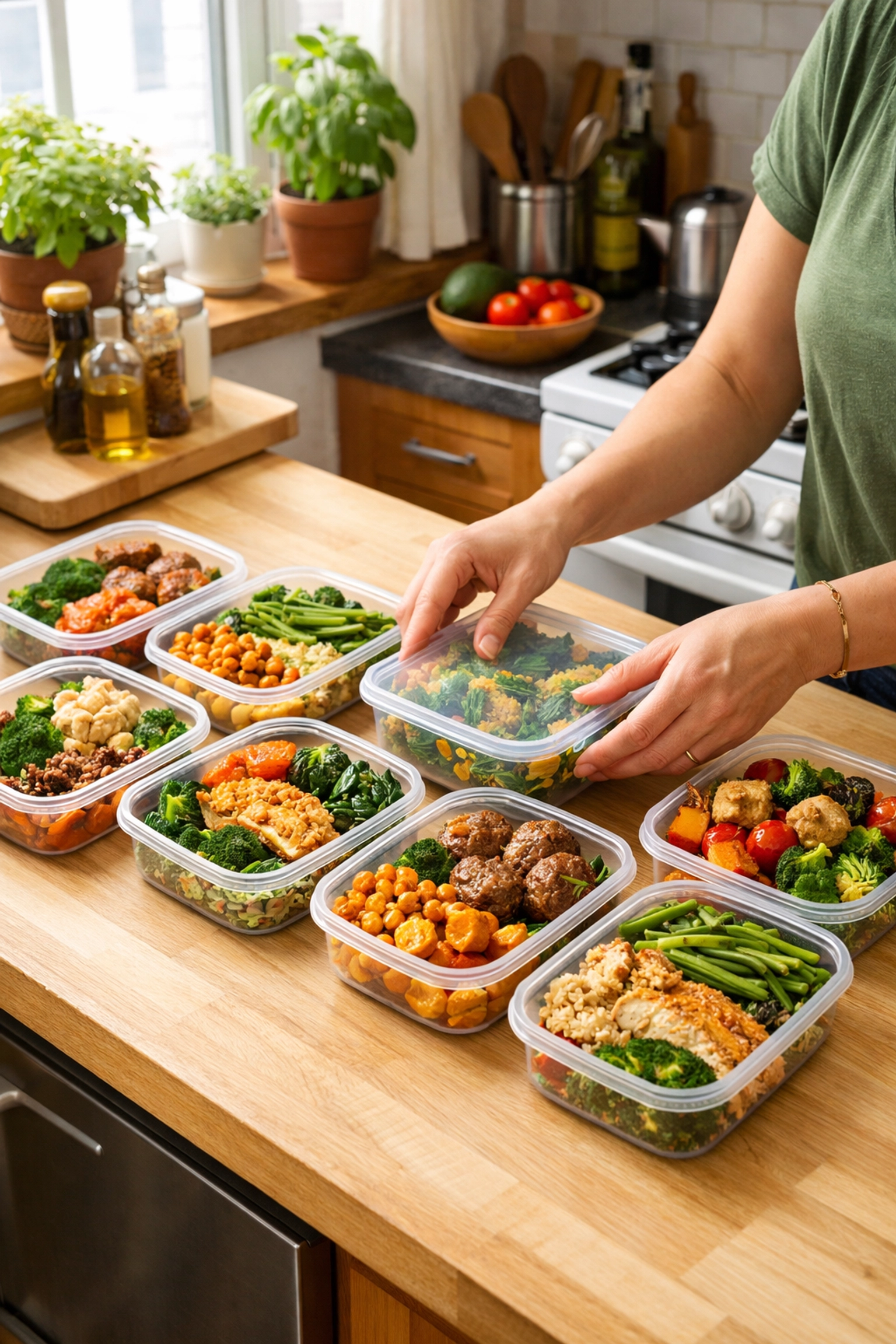
4. Meal Prep Like Your Budget Depends On It (Because It Does)
Sunday meal prep isn’t just for fitness influencers. It’s a financial power move.
When you have ready-to-eat meals in your fridge, you’re not dropping fifteen dollars on lunch or thirty on dinner delivery because you’re too tired to cook. Invest two hours on Sunday, and you’ve just saved yourself $100+ during the week.
5. YouTube University for DIY Home Repairs
Before you call a handyman, check YouTube. Seriously. There are tutorials for everything from fixing a running toilet to patching drywall to unclogging drains.
For apartment dwellers, learning basic repairs can also help you avoid losing part of your security deposit. A $5 tube of caulk and 20 minutes of your time beats a $100 handyman charge every single time.
Start with these beginner repairs:
* Unclogging drains
* Replacing air filters
* Fixing running toilets
* Patching small holes in walls
* Basic appliance troubleshooting
6. Energy-Saving Hacks for Small Spaces
Your utility bills are prime territory for cuts, even in an apartment where you can’t make major changes.
Quick wins:
* Switch to LED bulbs (they pay for themselves in months)
* Use a programmable thermostat or smart plug for window AC units
* Heavy curtains keep heat in during winter and out during summer
* Unplug devices when not in use (phantom energy is real)
* Only run full loads of laundry and dishes
* Air-dry clothes when possible
These small changes can slice $30-50 off your monthly bills.
7. Tap Into Community Resources (They’re There for You)
Urban areas are goldmines for free or low-cost resources, but you have to know where to look.
Check out:
* Local food banks and community fridges
* Free events at libraries (movies, workshops, kids’ programs)
* Community centers with free or sliding-scale classes
* Buy Nothing groups on Facebook
* Tool libraries (borrow instead of buying)
* Free clothing swaps and community exchanges
There’s zero shame in using resources designed to help people. That’s literally what they’re for.
8. Build Your Emergency Fund Aggressively
Financial experts recommend 3-6 months of expenses for most people. Single women? Aim higher. Shoot for 6-12 months of essential expenses.
This isn’t about being paranoid, it’s about being realistic. You don’t have a second income to lean on, so your emergency fund IS your backup plan.
Start with $1,000 as your first mini-goal, then build from there. Even $25 per paycheck adds up. Set up automatic transfers so you’re paying yourself first.
9. Attack High-Interest Debt Like It’s on Fire
Credit card debt with 20%+ interest rates is an emergency. That interest is literally stealing from your future self.
While there are several opinions about how to best tackle debt, what worked for me is the “debt snowball” method. Focus on paying off the highest-interest debt first, while making minimum payments on everything else. Once that’s gone, roll the payment amount into the next-highest-interest debt.
And here’s a hard truth: if you’re carrying credit card balances, you can’t afford the things you’re charging. Figure out the budget gaps causing the charges in the first place.

10. Negotiate Everything (Yes, Really)
Your salary, your bills, your rent, it’s all negotiable, and women need to get more comfortable with this.
What to negotiate:
* Your salary (research comparable roles and ask confidently)
* Medical bills (ask for itemized bills and payment plans)
* Cable/internet (call and say you’re canceling; they’ll offer discounts)
* Rent (especially if you’ve been a good tenant and market rates have dropped)
* Insurance rates (shop around annually)
The worst they can say is no, and you’re no worse off than before you asked.
11. Max Out Tax-Advantaged Savings
If your employer offers a 401(k) match, contribute at least enough to get the full match. That’s free money. Beyond that, consider opening a Roth IRA.
These accounts let your money grow tax-free or tax-deferred, which means more money in your pocket long-term. Even $50 per month starting in your twenties can turn into six figures by retirement.
12. Create a Side Income Stream
This isn’t about hustle culture or working yourself to death. It’s about having a small backup income source that gives you breathing room.
Urban-friendly side gigs:
* Dog walking or pet sitting (Rover, Wag)
* Freelancing skills you already have
* Selling items you no longer need or donating to write off at the end of the year
* Renting out parking spaces
* Tutoring or teaching something you know
Even an extra $200-300 per month can be your “emergency fund on autopilot” or your debt-payoff accelerator.
13. Buy Quality Where It Matters, Cheap Where It Doesn’t
There’s a time to buy quality (things that affect your health, safety, or income) and a time to go cheap (everything else).
Invest in:
* Good work shoes and professional clothes
* A reliable car (if needed for work)
* Your mattress and pillows
* Quality food
Go cheap on:
* Decor and furniture (thrift stores are treasure troves)
* Cleaning supplies (store brands work fine)
* Trendy items that’ll be outdated soon
* Things you rarely use
14. Protect Yourself With the Right Insurance
This seems counterintuitive in a money-saving article, but hear me out. The right insurance prevents financial catastrophe.
Essentials for single women:
* Health insurance (even a high-deductible plan with an HSA)
* Renter’s or homeowner’s insurance
* Car insurance with adequate coverage, and consider extended warranty coverage if you have an older car to help with expensive repairs
* Disability insurance (your income is your most valuable asset)
Umbrella liability insurance is also worth considering once you have assets to protect. These aren’t expenses; they’re protection for everything else you’re building.

15. Join or Create a Resource-Sharing Community
One of the best financial moves you can make is building a network of women who share resources, skills, and support.
Maybe you’re great at taxes and your friend kills it at car maintenance. Maybe you can split a Costco membership and shopping trips. Perhaps you organize a monthly clothing swap or skill-share night.
When women pool their knowledge and resources, everyone comes out ahead. Plus, there’s something powerful about not doing this alone.
The Bottom Line
Financial preparedness isn’t about deprivation or living in fear. It’s about making intentional choices that give you options when life gets complicated, and it will get complicated.
You don’t have to implement all 15 hacks tomorrow. Pick three that resonate with you and start there. Build momentum. Every dollar you save, every debt you pay off, every skill you learn makes you more resilient.
Because here’s what nobody tells you: being financially prepared as a single woman isn’t just about surviving hard times. It’s about thriving on your own terms, crisis or no crisis.
You’ve got this. And you definitely don’t have to figure it all out alone.
Want more practical preparedness tips for real life? Subscribe to my newsletter, and don’t miss my latest podcast episode. Check out all of my blogs and resources at Urban Lady Prepper.