
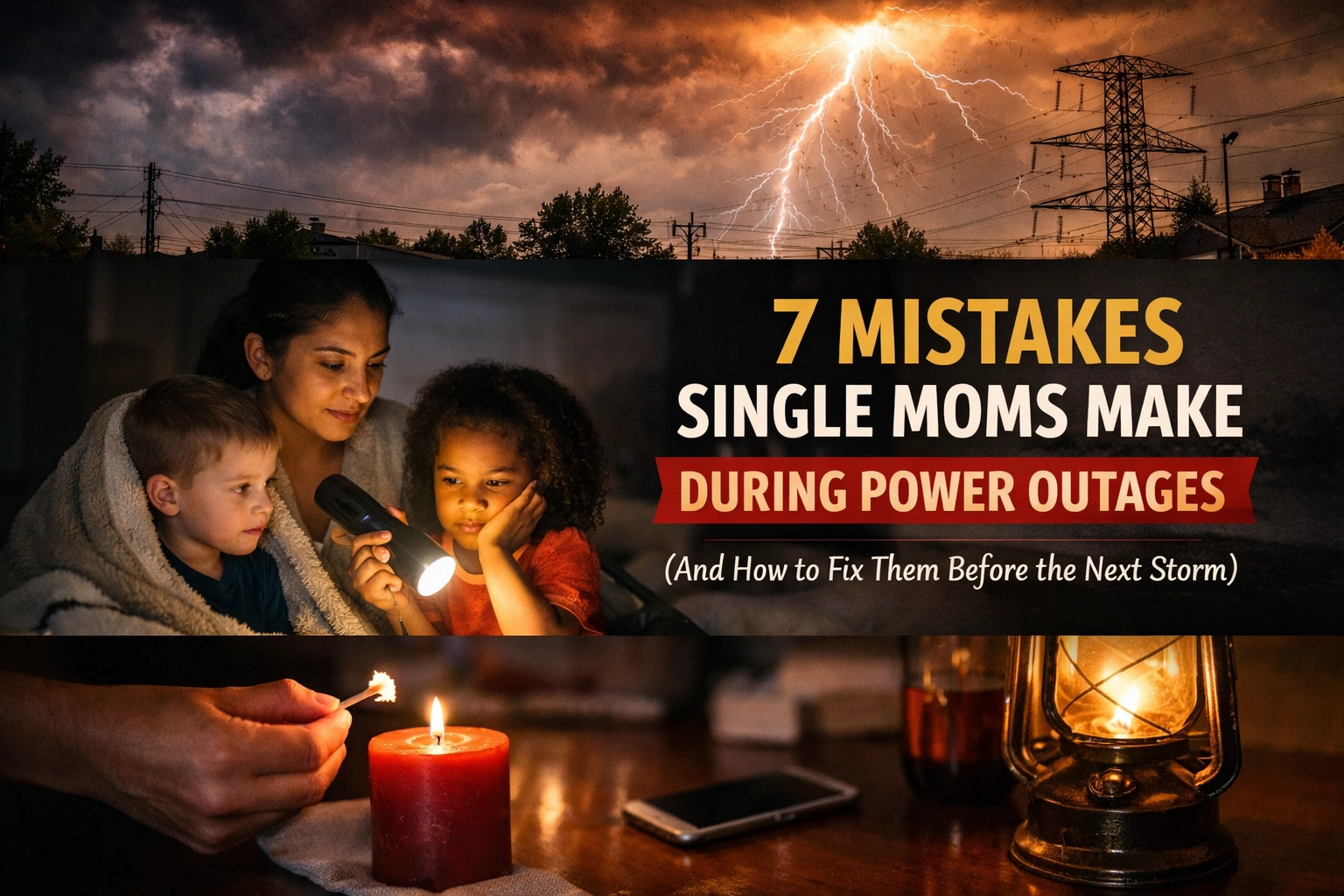
Let’s be real: when the lights go out, and you’re flying solo with kids, it can feel overwhelming. You’re suddenly in charge of keeping everyone safe, calm, and fed while your phone battery slowly ticks down to nothing. The good news? You’re not alone in making these mistakes, and even better, they’re all fixable with a little prep work.
After talking to dozens of single moms who’ve weathered blackouts in apartments and city homes, I’ve identified the most common pitfalls and the simple solutions that’ll make you feel like a total boss when the next storm rolls through.
Mistake #1: Counting on Your Phone Flashlight as Your Only Light Source
We’ve all been there. The power cuts out, you grab your phone, turn on the flashlight, and suddenly realize you’re burning through battery faster than your toddler burns through snack packs. Your phone is your lifeline during an outage: it’s how you check updates, contact family, and keep kids entertained. Using it as a flashlight is basically shooting yourself in the foot.
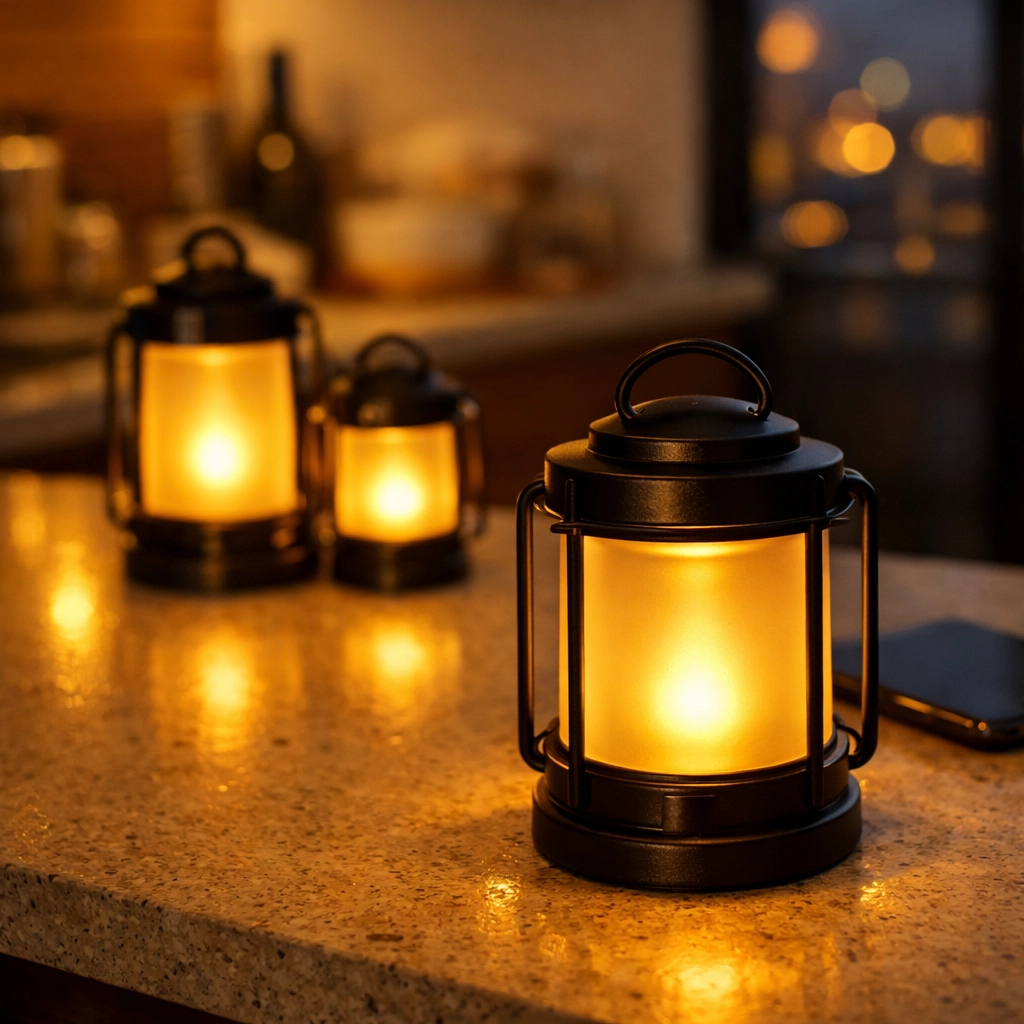
The Fix: Invest in a few battery-powered LED lanterns and stash them in easy-to-reach places. You can grab decent ones for under $15 at any hardware store or online. Keep one in your bedroom, one in the kitchen, and one in the kids’ room. Bonus points if you test them every few months to make sure the batteries still work. Pro tip: those little clip-on reading lights work great for older kids doing homework by lantern light.
Mistake #2: Forgetting That Bored Kids Are Loud Kids
Here’s what nobody tells you about power outages: the first ten minutes are exciting. The next three hours? Not so much. Without screens, WiFi, or their usual distractions, kids can spiral into chaos faster than you can say “emergency candles.”
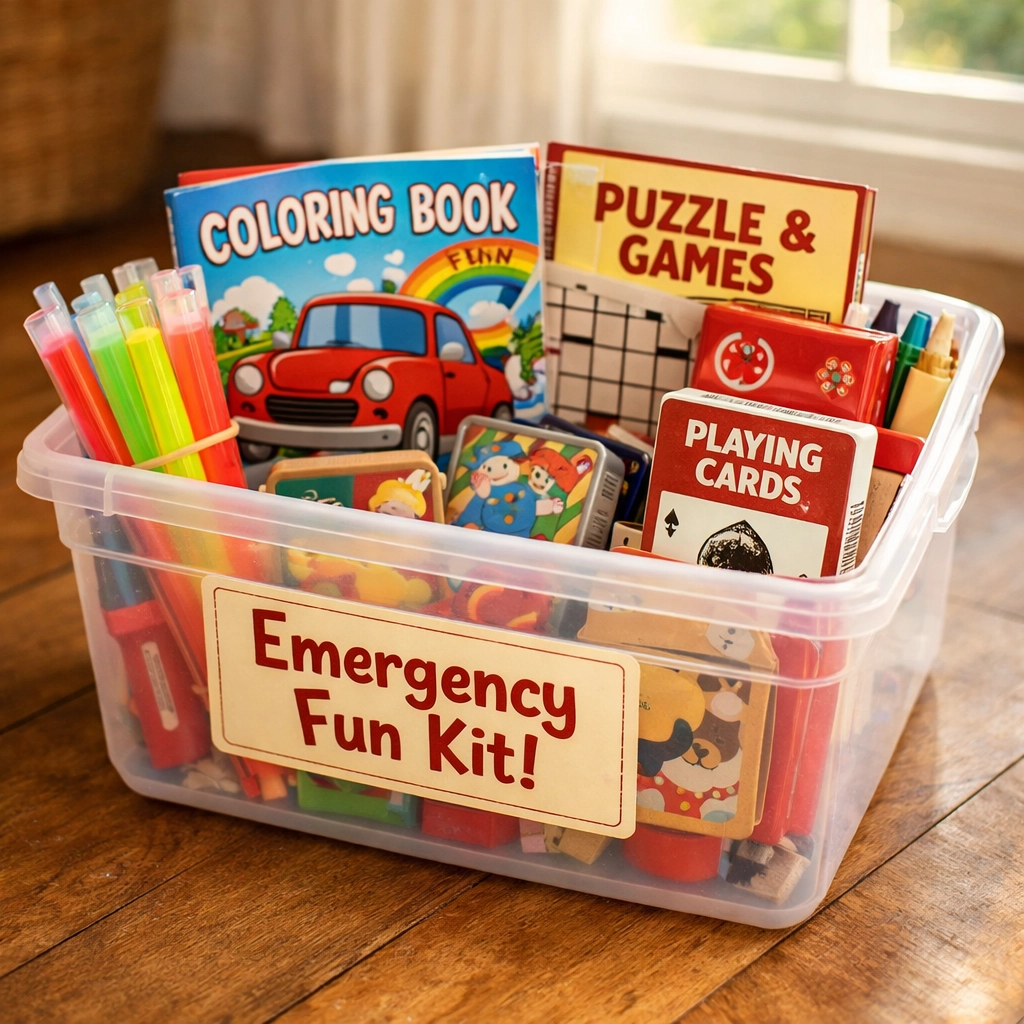
The Fix: Create a “blackout box” that only comes out during power outages. Fill it with special treats: new coloring books, glow sticks, card games, puzzles, or those cheap activity books from the dollar store. The key is keeping it fresh, so they don’t get bored with the same old toys. Store it somewhere accessible but out of sight, so it stays special. One mom I know includes a few LED tea lights and lets her daughter “camp” in a blanket fort: it turns the outage into an adventure instead of a crisis.
Mistake #3: Opening the Fridge Every Five Minutes
I get it: you want to check if the milk is still cold, or maybe sneak a quick snack. But here’s the thing: every time you open that fridge door, you’re letting precious cold air escape. Your refrigerator can keep food safe for about four hours if you leave it closed, but constant peeking can cut that time in half.
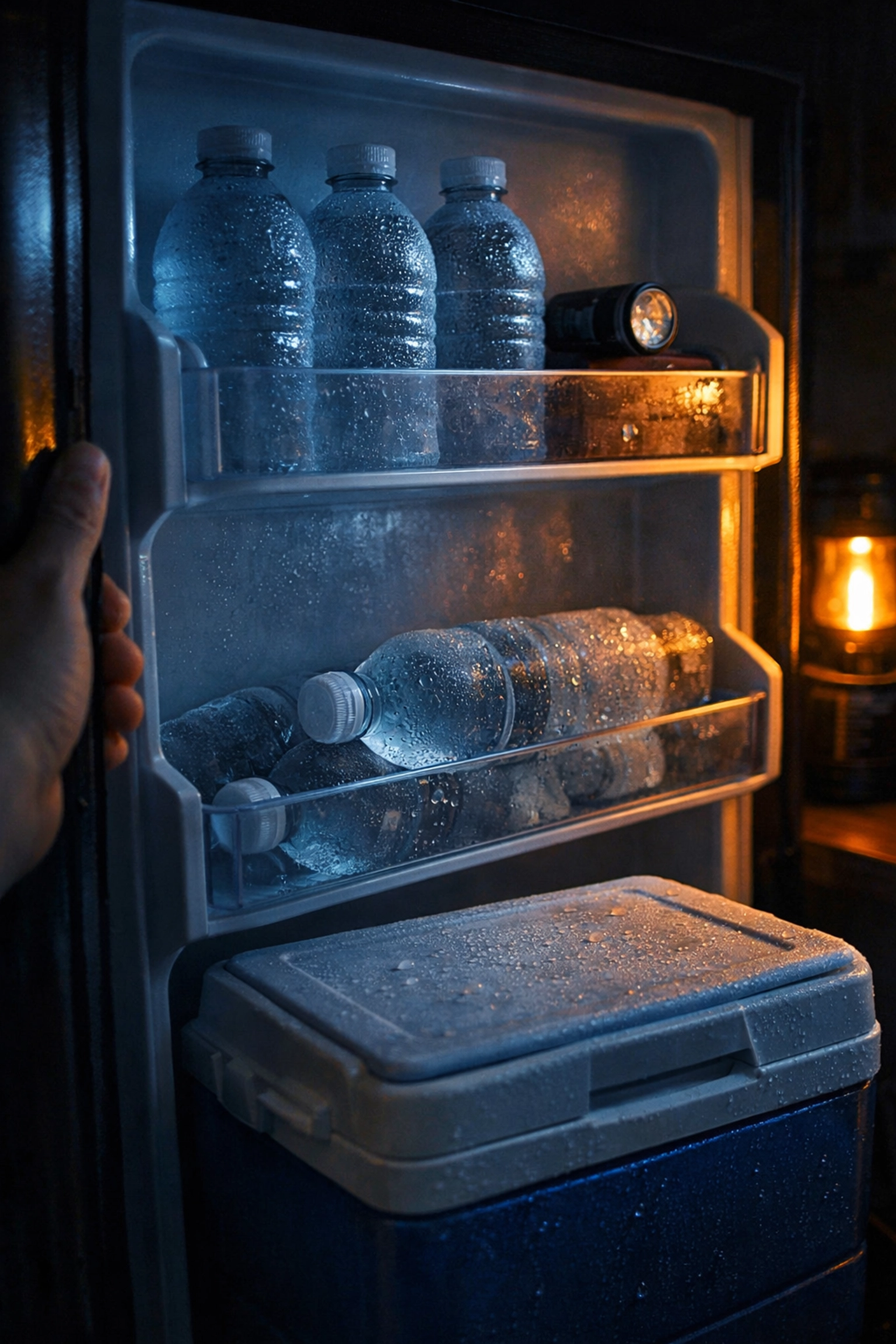
The Fix: Before the next storm hits, make a simple plan. Fill a few plastic water bottles three-quarters full and freeze them. During an outage, these ice packs help keep your fridge cold and double as emergency drinking water when they melt. Keep a cooler on hand with ice packs ready to go. Move your most important items: milk, meat, medications, to the cooler first. And resist the urge to peek. If you really need to check something, open it once, grab what you need quickly, and close it tight.
Mistake #4: Having No Real Emergency Kit (Or Not Knowing Where It Is)
You might have flashlights, but are they all in different drawers? Maybe you’ve got batteries… somewhere? When the lights go out, the last thing you want is to be scrambling through junk drawers by candlelight while your kids are asking why everything’s dark.
The Fix: Put together one central emergency kit and tell everyone in the house where it lives. You don’t need to spend a fortune: here’s the basic list:
- Battery-powered or hand-crank radio
- Extra batteries (check expiration dates twice a year)
- First aid supplies
- Flashlights (at least three)
- Non-perishable snacks and water bottles
- Phone charger power bank (keep it charged)
- Cash (ATMs don’t work without power)
- Copies of important documents in a waterproof bag
- Any prescription medications
Store everything in a plastic bin with a label, and keep it somewhere you can reach it in the dark. Under your bed, in a hall closet, wherever works for your space. Just make it consistent.
Mistake #5: Using Candles When You’ve Got Kids Running Around
Look, candles are pretty, and they create a cozy vibe, but they’re also a fire hazard, especially when you’ve got curious toddlers or energetic kids bouncing off the walls because the TV’s out.y create a cozy vibe, but they’re also a fire hazard: especially when you’ve got curious toddlers or energetic kids bouncing off the walls because the TV’s out. One knocked-over candle can turn a manageable situation into a genuine emergency.
The Fix: Skip the candles entirely and lean on battery-powered lighting. If you absolutely must have that ambient glow, battery-operated LED candles look realistic and won’t burn your apartment down. They’re cheap, reusable, and honestly, pretty convincing. Save the real candles for when the kids are asleep and you can keep a close eye on them: but even then, it’s not worth the risk.
Mistake #6: Not Having a Communication Plan
Your ex has the kids this weekend. Your mom lives across town. Your best friend always checks in. But when your phone is dying and cell towers are overloaded, how do you let everyone know you’re okay? Too many single moms I’ve talked to have spent precious battery life texting the same update to ten different people.
The Fix: Set up a communication chain before the next outage. Choose one person to be your primary contact: someone who can relay information to others if needed. Share this plan with your kids too, especially if they’re old enough to have phones. Teach them to text instead of call (uses less battery and gets through more reliably), and designate an out-of-area contact who might have better luck if local lines are jammed. Write down important phone numbers on paper: your kids’ schools, your landlord, your utility company: because you can’t check your contacts when your phone is dead.
Mistake #7: Leaving All Your Appliances Plugged In
When the power comes back on, it often surges before stabilizing. That surge can fry your TV, laptop, microwave, basically anything plugged into the wall. Replacing electronics isn’t cheap, especially when you’re managing a household solo.
The Fix: When the power goes out, take five minutes to unplug major appliances and electronics. Your fridge and freezer can stay plugged in, but disconnect computers, TVs, gaming systems, microwaves, and coffee makers. Leave one lamp plugged in and switched on: that way, you’ll know immediately when power is restored, instead of wondering whether to keep waiting or if it’s safe to plug things back in. Once the power’s been stable for a few minutes, you can reconnect everything safely.

The Bottom Line: You’ve Got This
Power outages are stressful, especially when you’re managing everything on your own. But here’s what I want you to remember: preparation isn’t about being paranoid or spending a fortune on gear. It’s about giving yourself permission to feel confident when things go sideways.
Start small. This weekend, grab a couple of flashlights and a pack of batteries. Next week, put together that blackout box for the kids. The month after that, organize your emergency kit. Before you know it, you’ll be the mom who stays calm when the lights flicker: and your kids will feel safe because you’ve got everything under control.
Because you do. You absolutely do.
Want more practical prep tips for single moms navigating urban emergencies? Sign up for my newsletter and get real-world advice delivered straight to your inbox. And don’t forget to check out my latest podcast episode. We’re all in this together!