
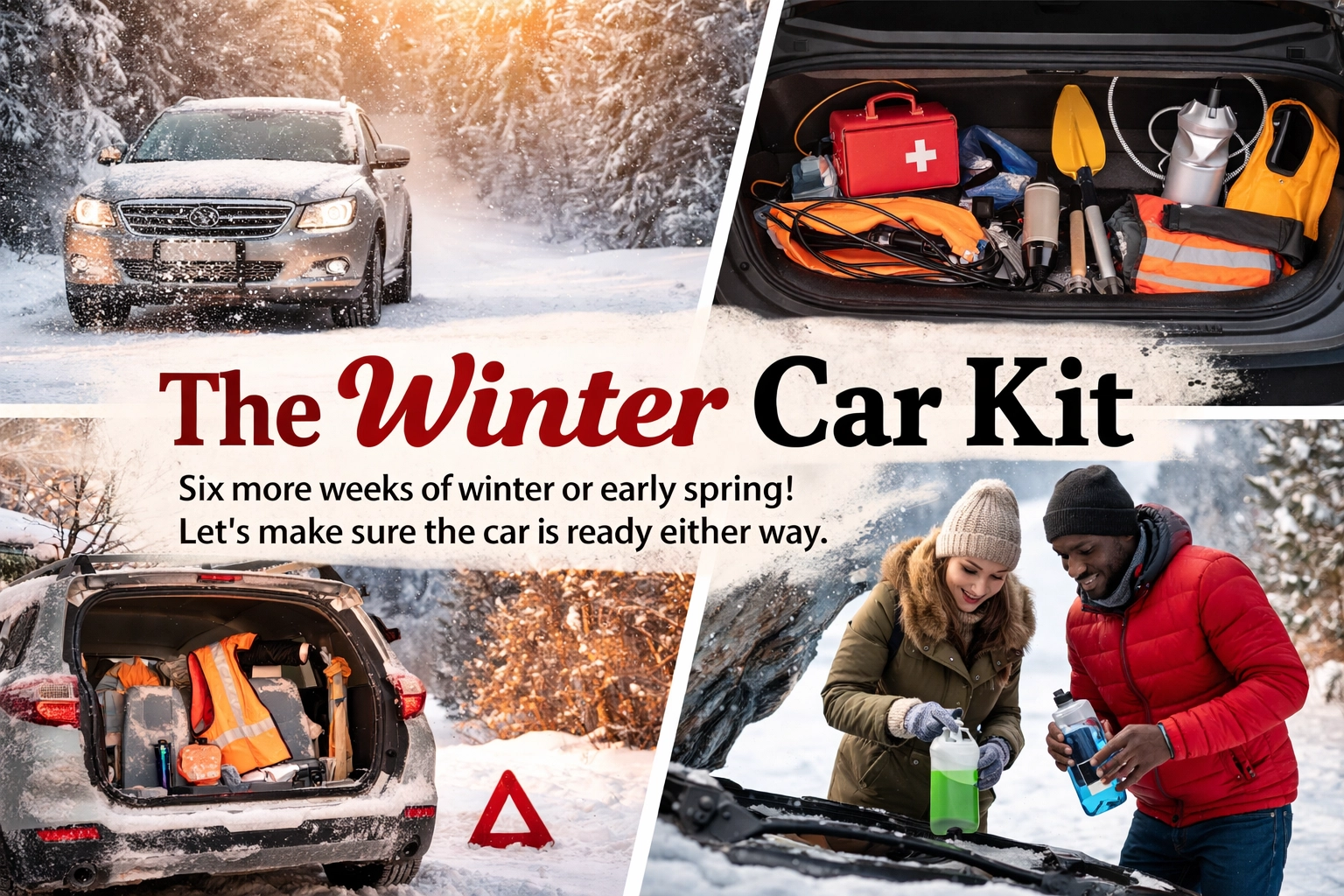
Whether you believe in Punxsutawney Phil’s weather predictions or not, one thing is certain: we’re not out of the woods yet when it comes to unpredictable winter weather. One day it’s sunny and 50 degrees, the next you’re white-knuckling it through a surprise snowstorm on your way to pick up the kids.
Here’s the thing: having a well-stocked winter car kit isn’t about preparing for the apocalypse. It’s about giving yourself peace of mind. It’s knowing that if your car breaks down on a dark highway, or you get stuck in traffic during an unexpected ice storm, you and your family will be okay until help arrives.
Let’s walk through exactly what you need in your car right now, how to adapt your kit as we transition into spring, and some specific tips for moms and city dwellers. No fear-mongering here: just practical, budget-friendly advice from one prepared lady to another.
Why Every Woman Needs a Winter Car Kit
We spend a lot of time in our vehicles. Commuting to work, shuttling kids to activities, running errands, visiting family. Our cars are essentially mobile command centers, so it makes sense to keep them stocked for the unexpected.
A winter car kit isn’t about assuming the worst will happen. It’s about being ready if it does. Think of it like keeping an umbrella in your bag: you’re not expecting rain every day, but when it comes, you’re covered.
For single women and moms especially, having these supplies on hand means you won’t have to rely on strangers or wait for someone else to rescue you. That’s empowering.
The Warmth Essentials: Your First Priority
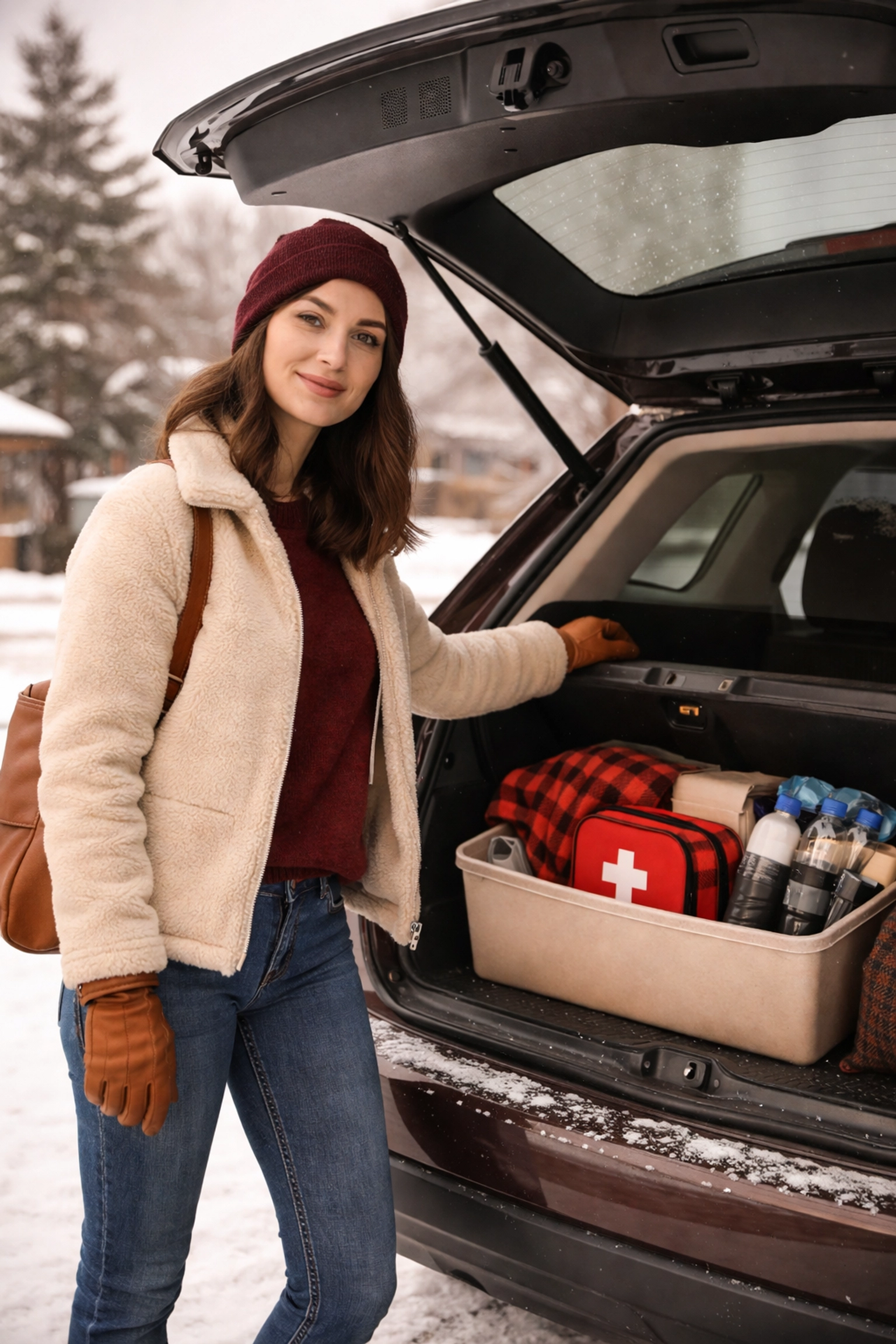
If you get stranded in cold weather, staying warm is your number one concern. Here’s what to keep in your trunk:
Blankets: A wool blanket or fleece throw works great. For something more compact, consider an emergency Mylar blanket: they’re inexpensive, fold down to nearly nothing, and retain up to 90% of your body heat.
Extra layers: Stash an old winter coat, a knit hat, gloves, and an extra pair of warm socks. These don’t have to be fancy. Raid your closet for items you don’t wear anymore but still function perfectly.
Hand warmers: Those disposable hand and toe warmers from the dollar store are lifesavers. Throw a few packs in your kit: they last for hours and cost almost nothing.
Pro tip: If you’re on a tight budget, check out our guide to affordable alternatives to pricey prepping gear for more wallet-friendly ideas.
Tools for Snow, Ice, and Getting Unstuck
Nothing is more frustrating than being stuck in a parking lot because your tires are spinning on ice. Here’s what helps:
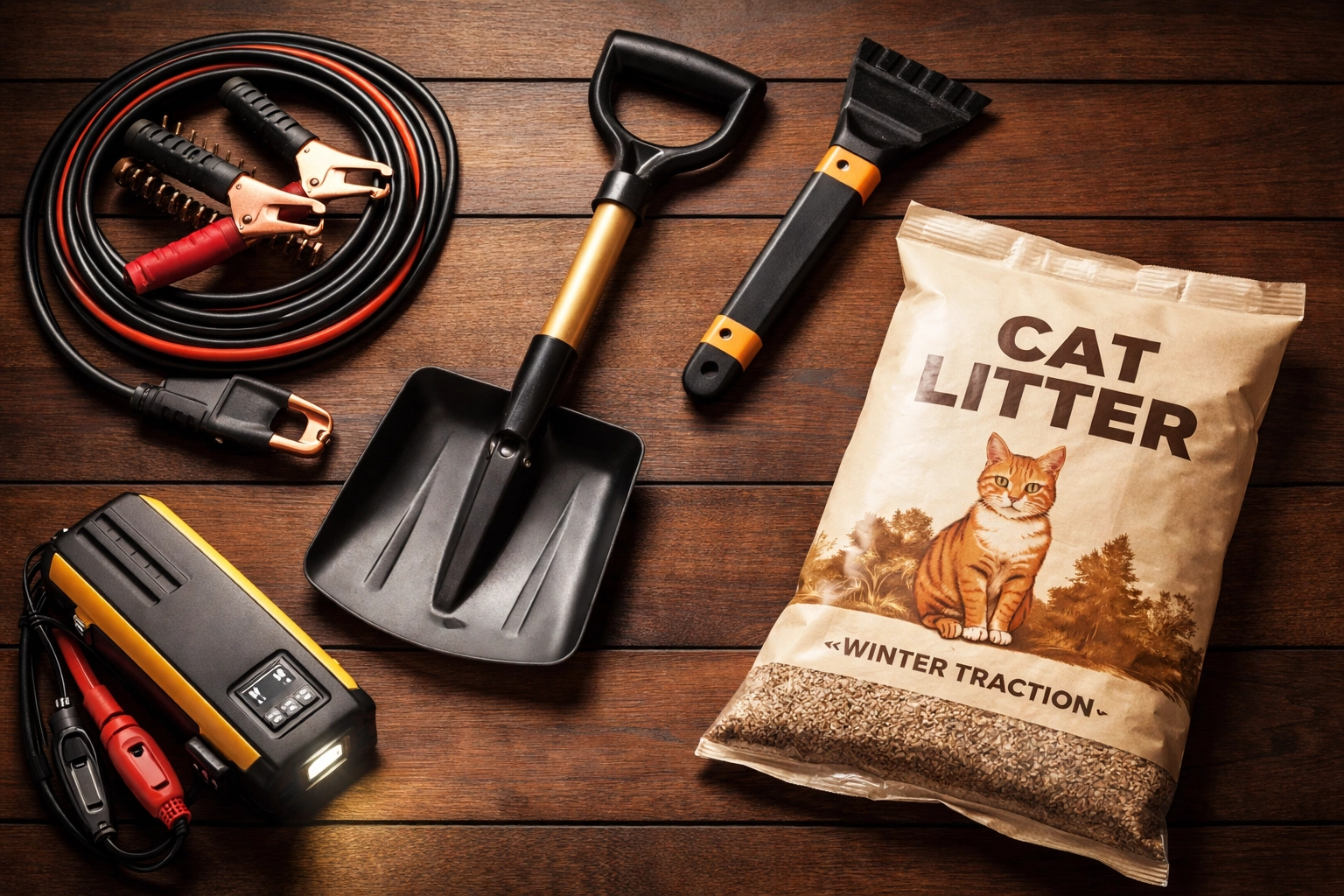
Ice scraper and snow brush: This one’s non-negotiable. Keep it in your car all winter, not in your garage.
Small shovel: A compact, foldable snow shovel can dig you out of a snowbank. They’re inexpensive and don’t take up much room.
Traction aids: A bag of cat litter (non-clumping) or sand can provide grip under your tires when you’re stuck. Some people also use old floor mats in a pinch.
Jumper cables or a portable jump starter: Cold weather drains batteries fast. A portable jump starter is great because you don’t need another car to use it: perfect for when you’re alone in a parking garage.
The Mom Kit: Extra Supplies for Families with Kids
If you have little ones, your car kit needs a few additions. Kids get cold, hungry, and bored faster than adults, so plan accordingly.
Snacks: Pack non-perishable, kid-friendly options like granola bars, crackers, dried fruit, or trail mix. Rotate these every few months so they stay fresh.
Water: Keep a few bottles of water in the car. In extreme cold, store them under seats where they’re less likely to freeze solid.
Entertainment: A small bag with coloring books, crayons, or a deck of cards can keep kids calm during a long wait. A stressed kid makes a stressful situation worse.
Diapers and wipes: If you have a baby or toddler, always keep a small stash of diapers, wipes, and a change of clothes in the car.
Comfort item: Consider keeping a backup stuffed animal or small blanket that your child loves. Familiar items help kids feel secure during scary situations.
Transitioning Your Kit for Early Spring
Here’s where it gets interesting. As we move from winter into that unpredictable late February and March weather, your kit should evolve too.
Keep the warmth items: Don’t pack away those blankets yet. Spring storms can still bring freezing temperatures, especially at night.
Add rain gear: A lightweight rain poncho or compact umbrella becomes more useful as we shift from snow to rain.
Swap out or supplement snacks: Check expiration dates and refresh your food supplies.
Add allergy medication: If you or your kids have seasonal allergies, spring can hit hard. Keep some antihistamines in your kit.
Sunglasses: Longer days and melting snow mean more glare. A cheap pair of sunglasses in the glove box can make a big difference.

Staying Safe If You’re Stranded: City vs. Suburban Tips
Where you drive matters when it comes to emergency planning. Urban and suburban environments present different challenges.
In the city: You’re more likely to be stuck in traffic than stranded alone. Keep your phone charged with a car charger or power bank so you can communicate. If you need to leave your vehicle, know your surroundings: identify well-lit areas, open businesses, or transit stations nearby. Trust your instincts about who to approach for help.
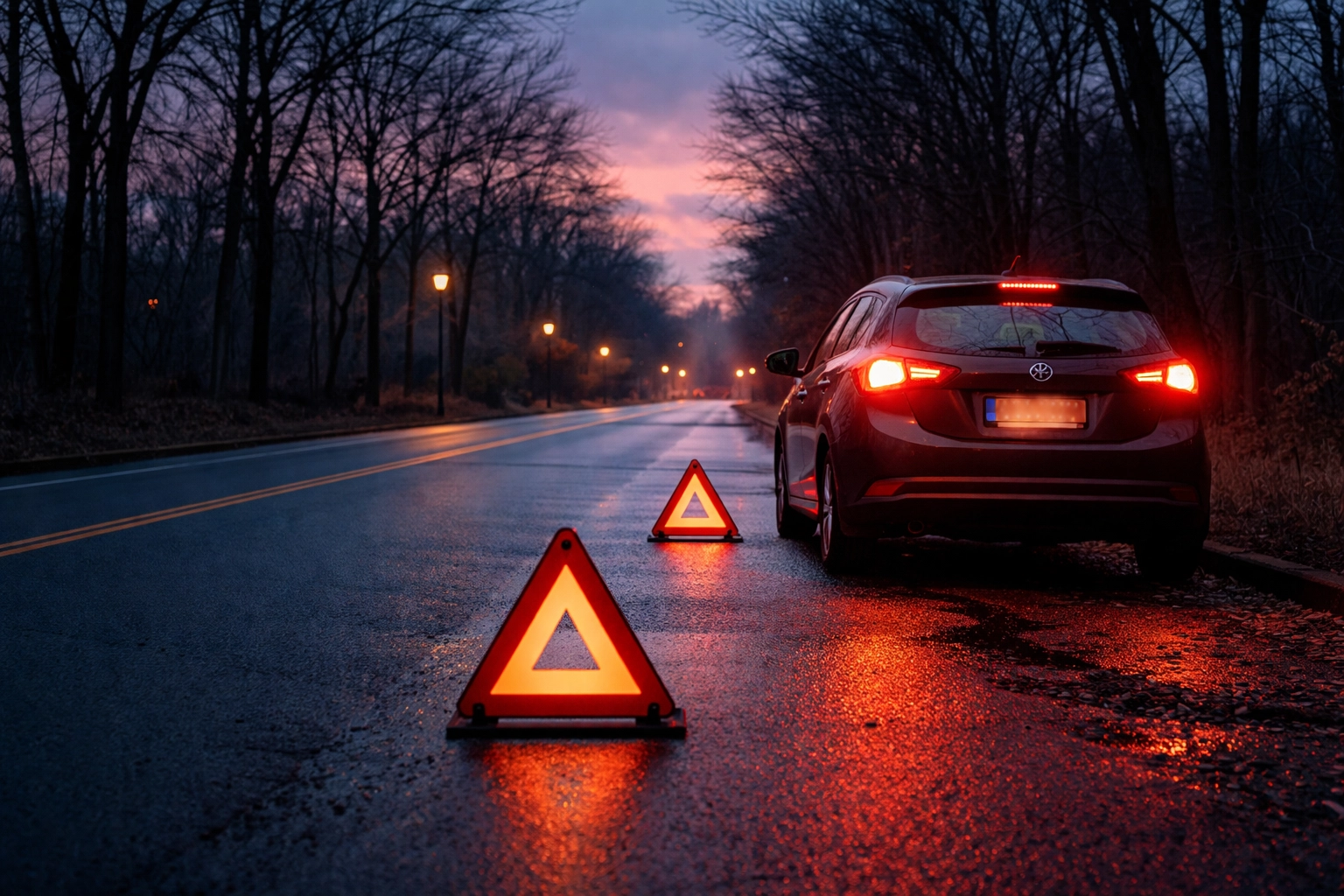
In suburban or rural areas: You might be waiting longer for assistance. Stay with your car unless you can clearly see a safe destination. Run the engine periodically for heat (about 10 minutes per hour), but crack a window slightly to prevent carbon monoxide buildup. Use road flares or reflective triangles to make your car visible to other drivers.
For more on staying safe in different environments, check out our post on urban vs. suburban prepping strategies.
Building Your Kit on a Budget
You don’t need to spend a fortune to be prepared. Here’s how to build a solid winter car kit without breaking the bank:
- Shop supplies, and snacks are all available for a fraction of the cost.
- Repurpose what you have: Old blankets, coats, and bags work just as well as new ones.
- Buy off-season: Stock up on winter gear in March when it goes on clearance.
- Build gradually: You don’t have to buy everything at once. Add one or two items each week until your kit is complete.
Your Winter Car Kit Checklist
Here’s a quick summary of everything we covered:
- Blankets (wool, fleece, or emergency Mylar)
- Extra coat, hat, gloves, and socks
- Disposable hand warmers
- Ice scraper and snow brush
- Small foldable shovel
- Cat litter or sand for traction
- Jumper cables or portable jump starter
- Flashlight with extra batteries
- Phone charger or power bank
- First aid kit
- Water bottles
- Non-perishable snacks
- Road flares or reflective triangles
- Rain poncho (for spring transition)
Peace of Mind on the Road
At the end of the day, a winter car kit is about taking care of yourself and the people who depend on you. It’s not about living in fear: it’s about living prepared. When you know you’ve got the essentials covered, you can focus on getting where you need to go with confidence.
Take 20 minutes this weekend to assess what’s in your car and fill in the gaps. Your future self: stuck in traffic during a late-season snowstorm; will thank you.
Want more practical preparedness tips delivered straight to your inbox? Sign up for the Urban Lady Prepper newsletter and check out my latest podcast episode for more conversations about staying ready without the overwhelm. We’re all in this together.